

April 5th: Easter Sunday
Today, after our late night vigil the previous night, we took things easy and had the students sleep in. After lunch around one, we split into three different groups: one for shopping, and a couple for different specific sights in Rome.
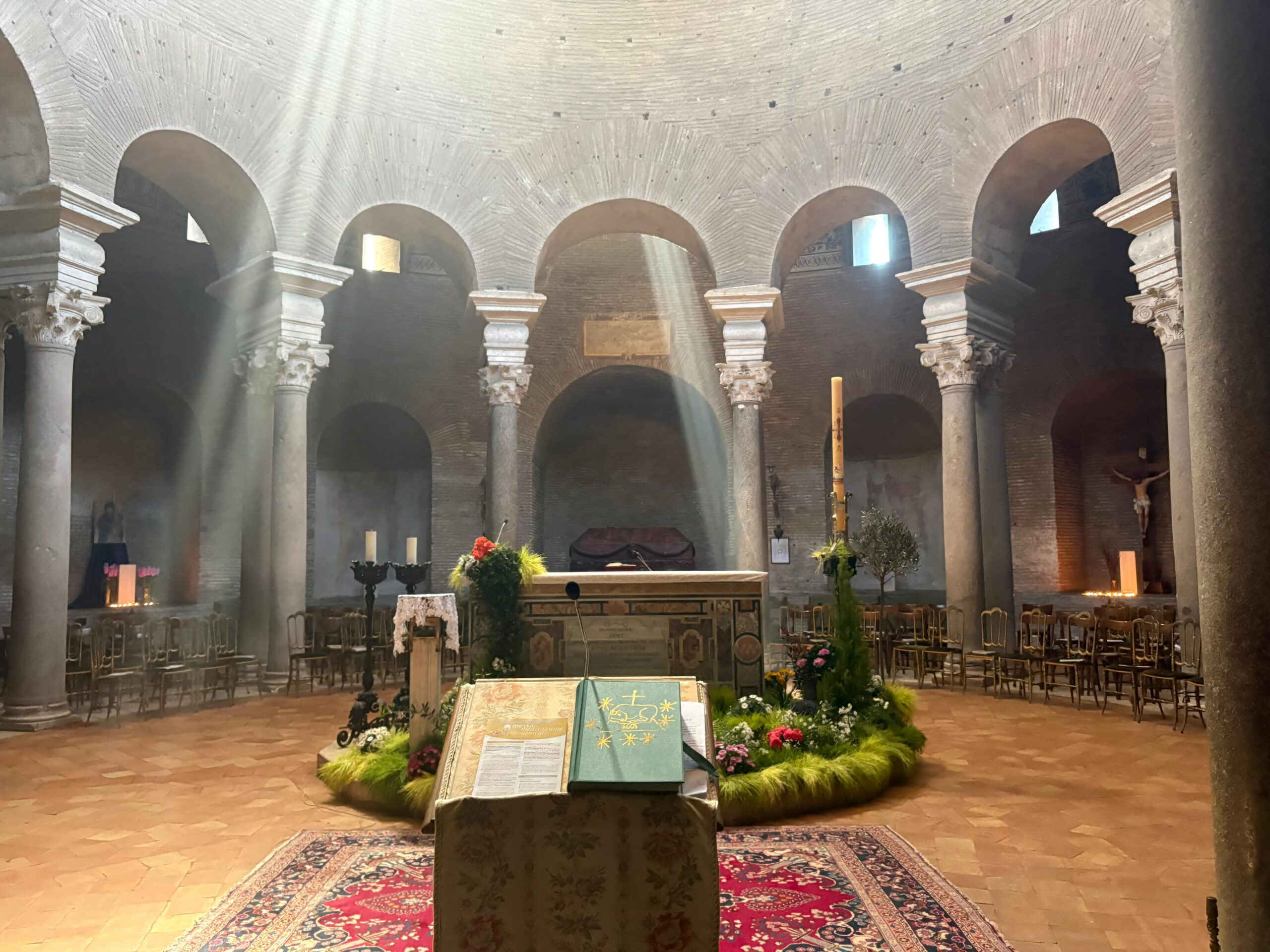
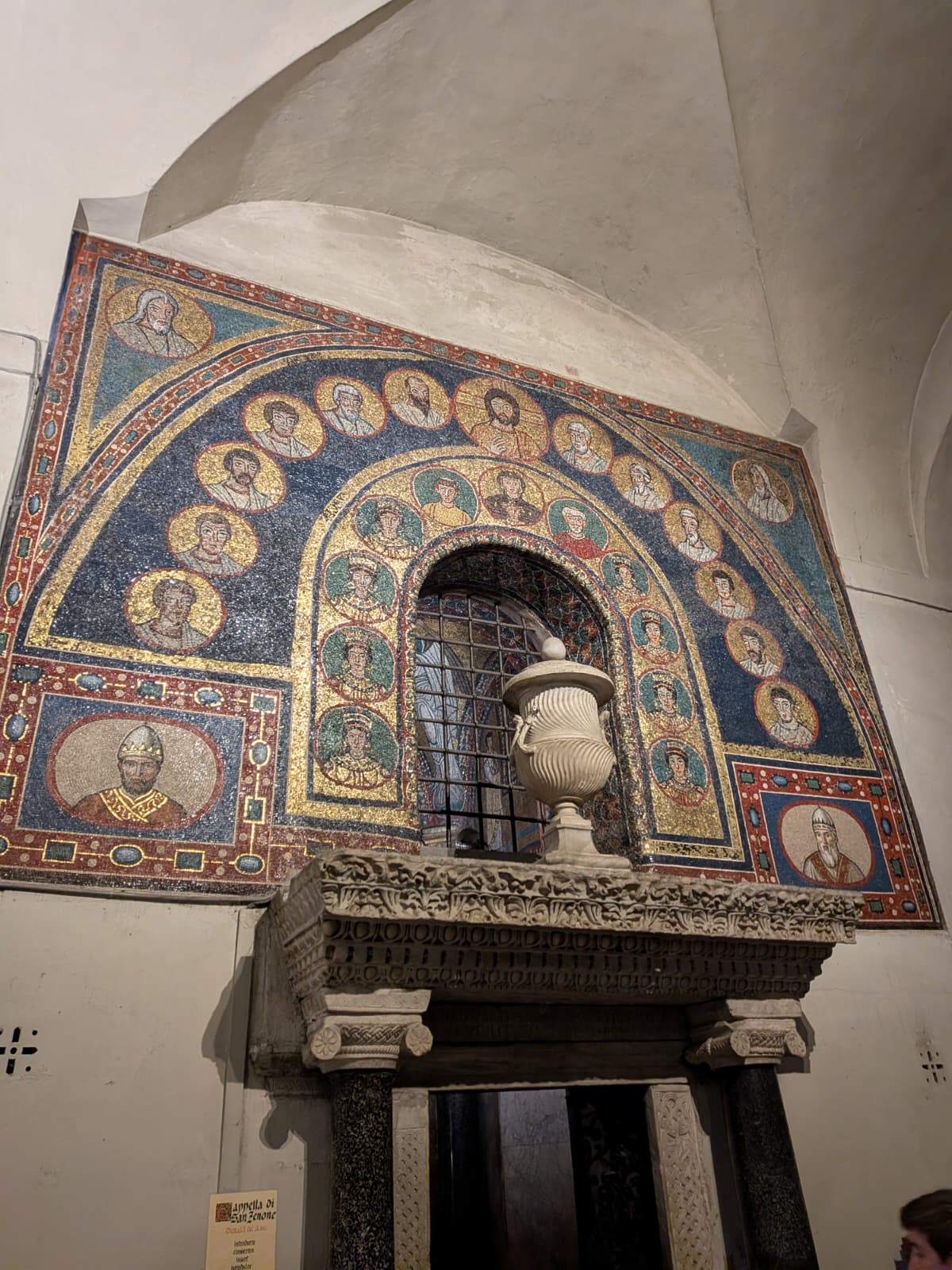
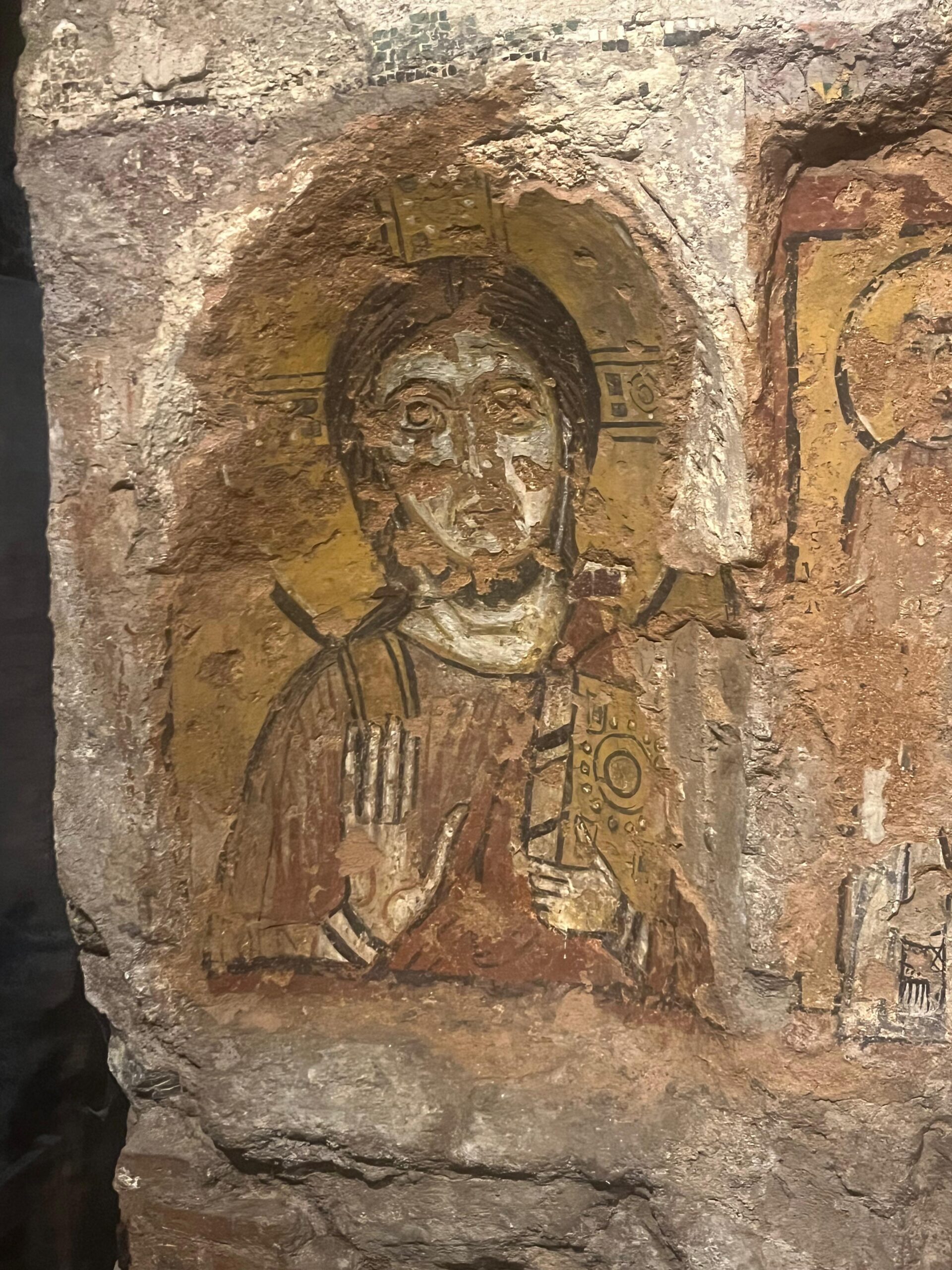
My group went to the tomb where Constantine’s daughter, St. Constantina, is buried. It was a beautiful little tomb, now turned church, off the beaten path in Rome. There was a very solemn peace about the place.
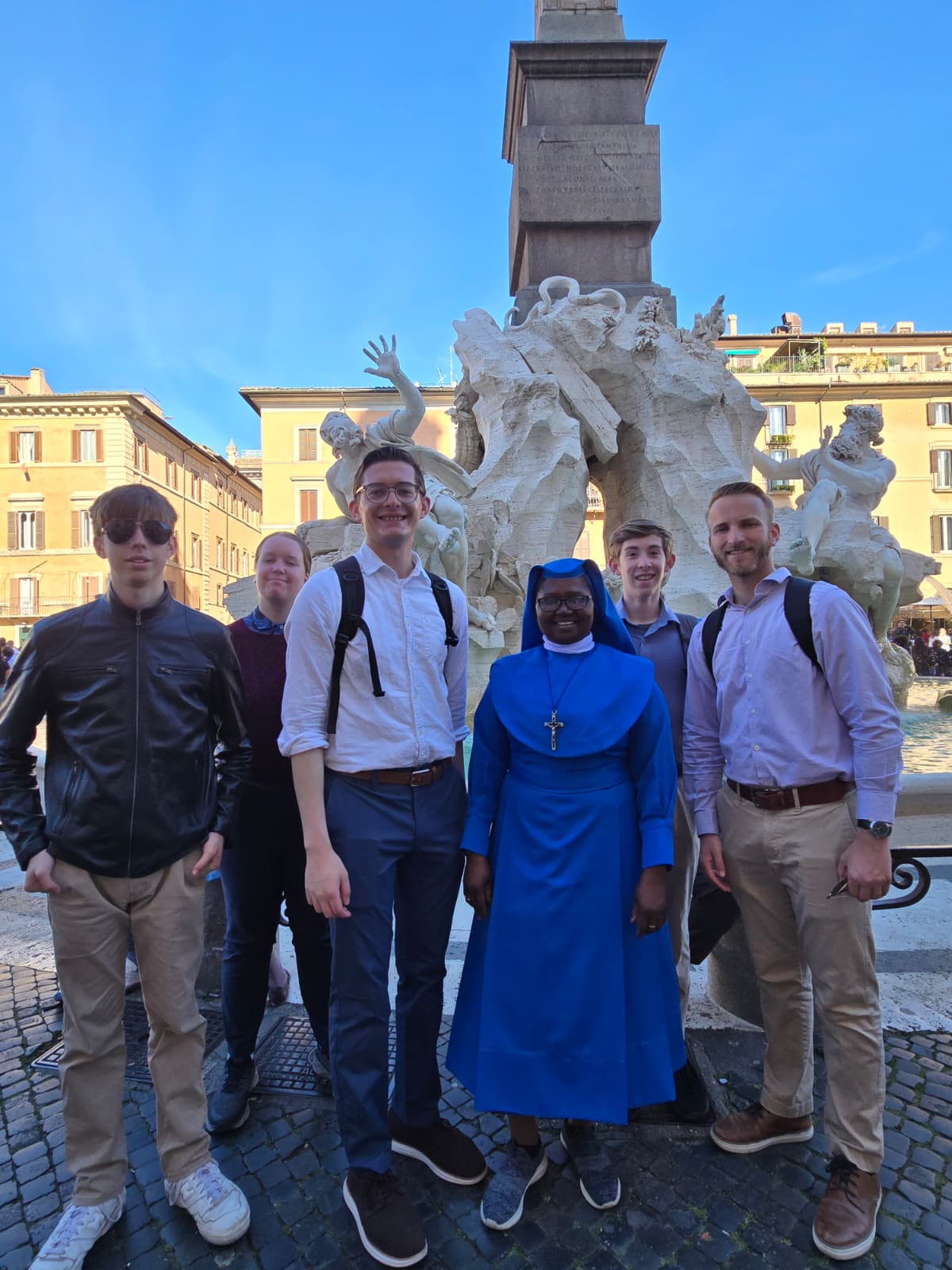
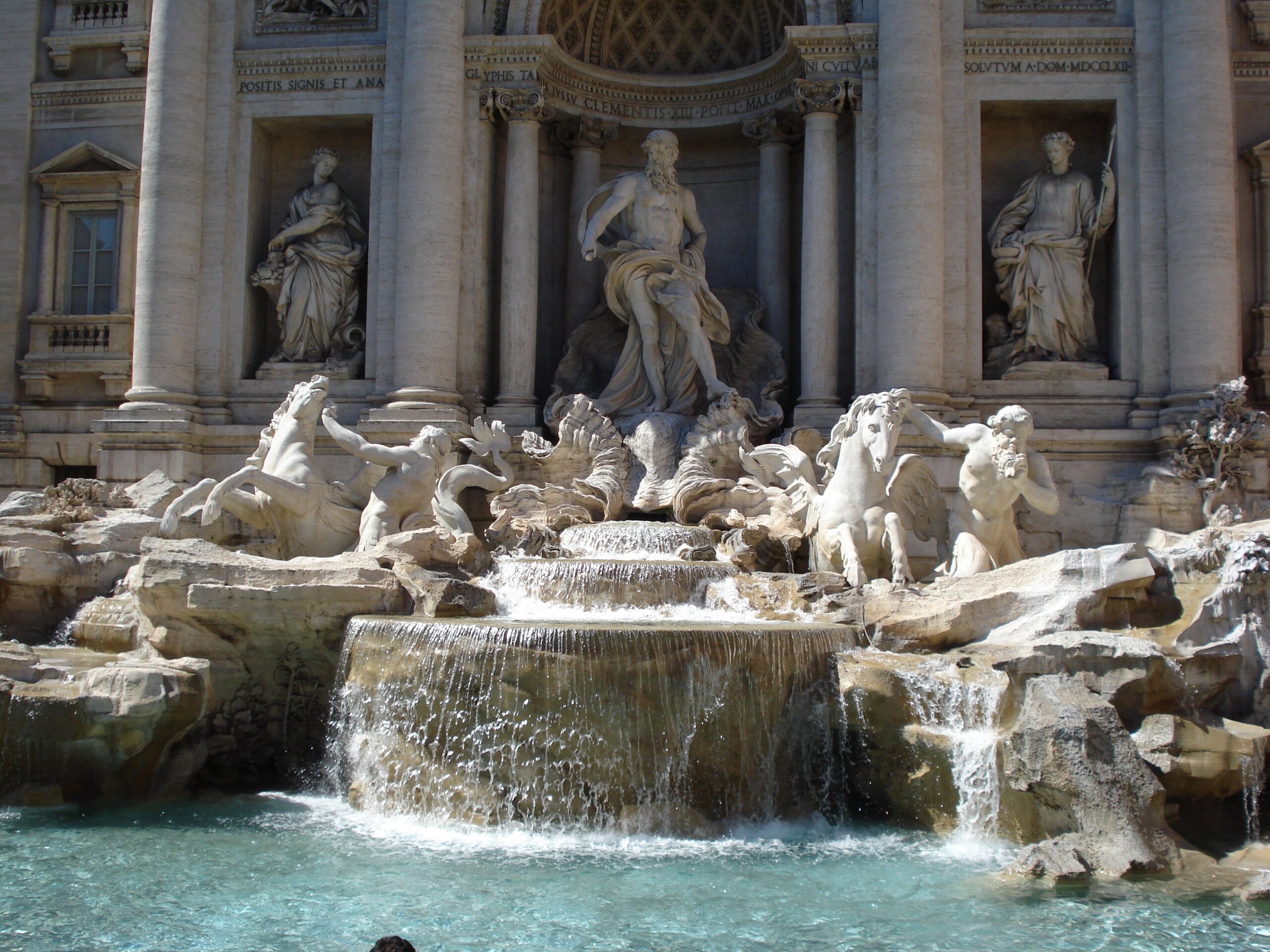
We then headed to the famous Trevi Fountain, which we all felt lived up to its fame, before getting some gelato again at Old Bridge. Old Bridge has been a common stop throughout our stay here. It’s gelato is so good that Benedict XVI had a special gate placed in the Vatican walls that allowed people to quickly run and grab some for him often.
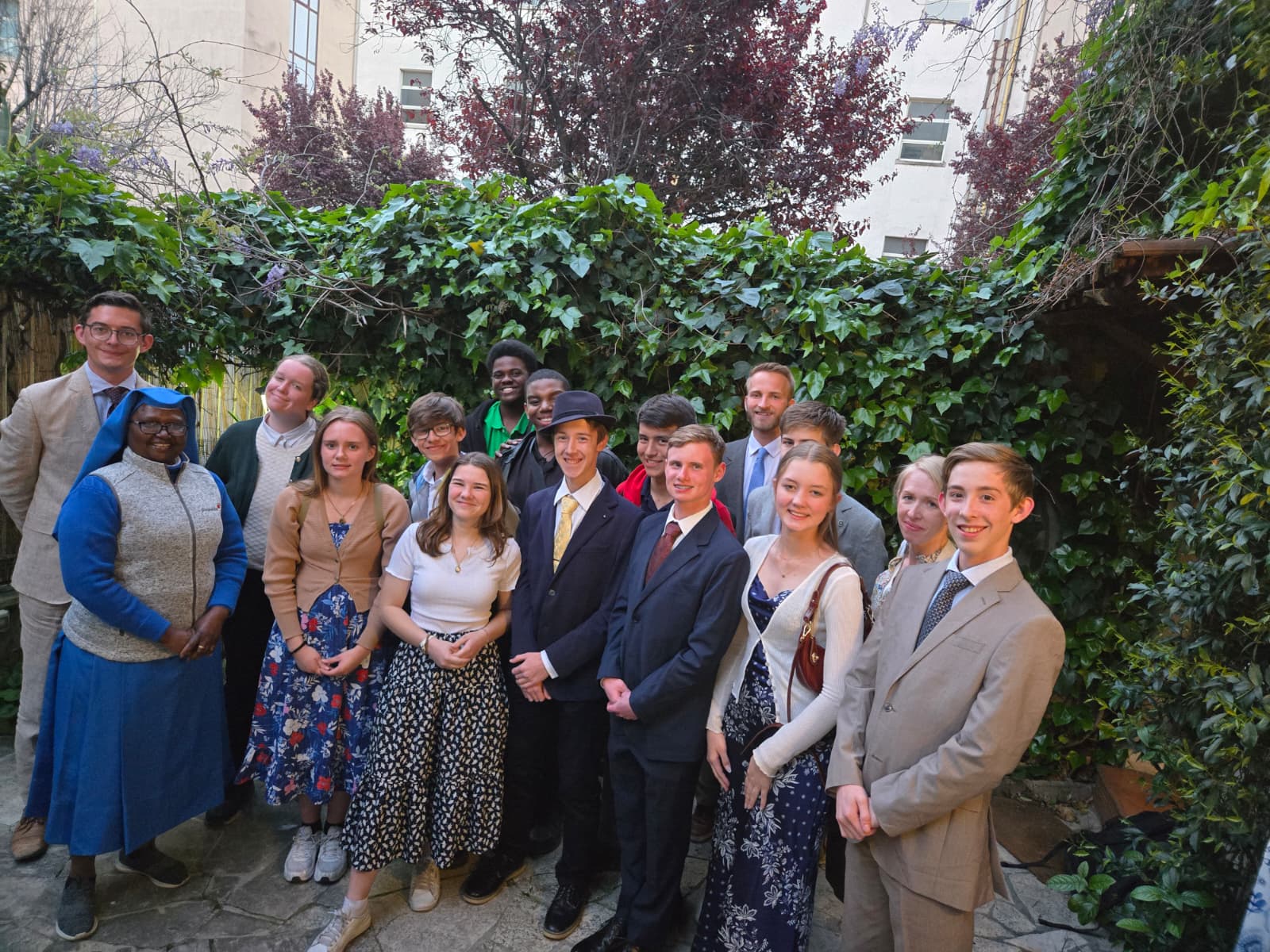
After gelato, all of the groups met up again to have dinner together. It was probably the most relaxed day we have had in Rome, an appropriate way to spend Easter Sunday. There’s also been a real welcomed change in the weather with it getting much warmer recently.
April 4th: Holy Saturday / Easter Vigil
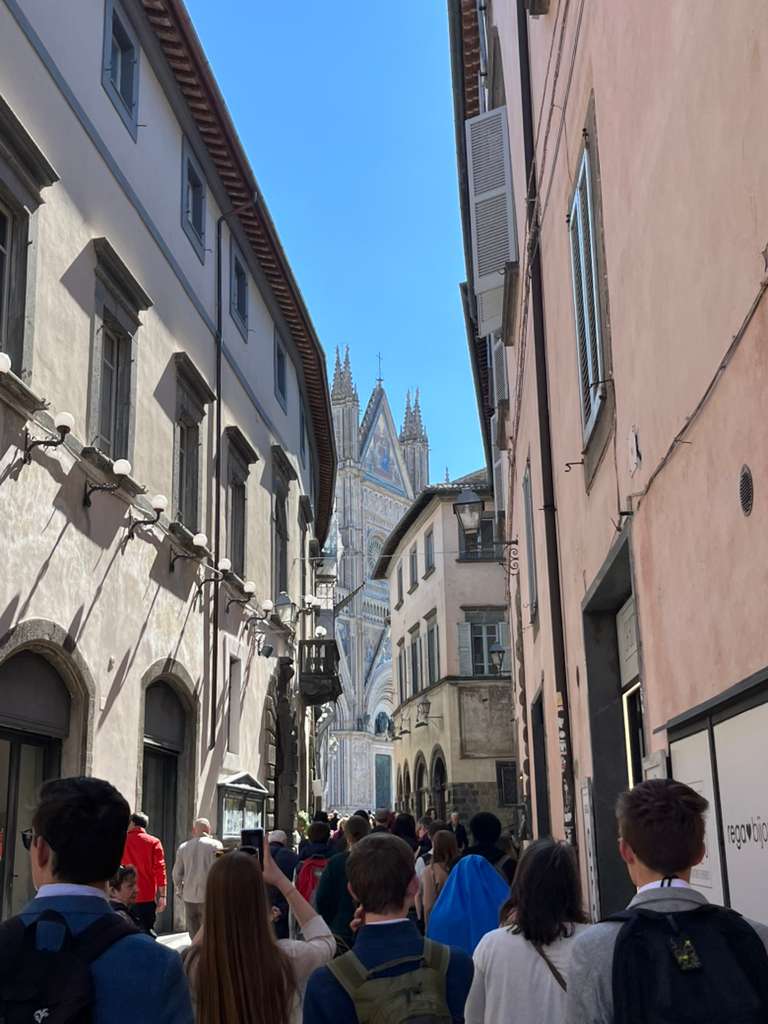
Today we left Rome early in the morning to head to the lovely town of Orvieto. Orvieto is a very historic small town built upon a dormant volcano. Because of the steep cliffs surrounding the city, it has long served as a key strategic outpost for the defense of Rome in many historic wars and has seen many historic figures siege it (including Hannibal and Julius Caesar).
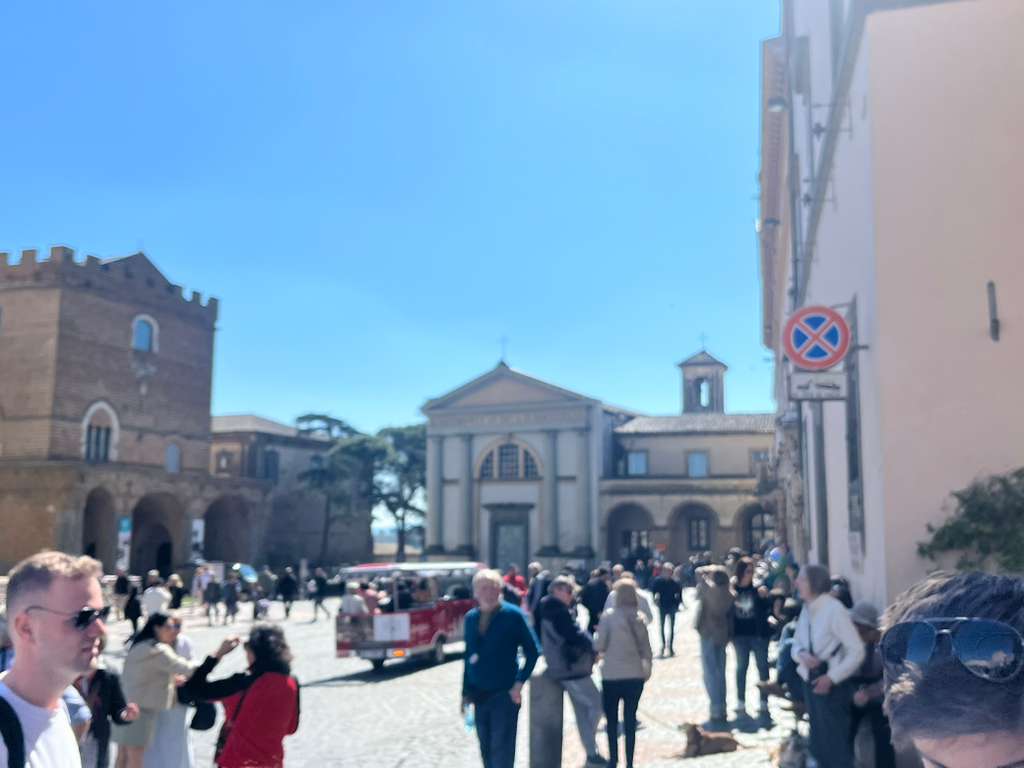
However, more important than that, the city is also home to some very important moments in the life of the church. The Gothic Church of San Domenico contains the desk in which St. Thomas Aquinas wrote his beautiful hymns for the feast of Corpus Christi which we still use today for Benediction and Exposition of the Blessed Sacrament. Right next to this desk is the large crucifix that spoke to St. Thomas and told him that he had written well of Him before asking if there was anything that St. Thomas desired. St. Thomas responded, “Domine, non nisi Te.”
Lastly we visited the Duomo di Orvieto, a stunning example of the height of Italian gothic architecture. The church is home to some beautiful artwork, including Luca Signorelli’s paintings of the End Times. There is also a chapel holding the Corporal of a Eucharistic miracle from 1263, which is displayed during the Feast of Corpus Christi during a huge celebration.
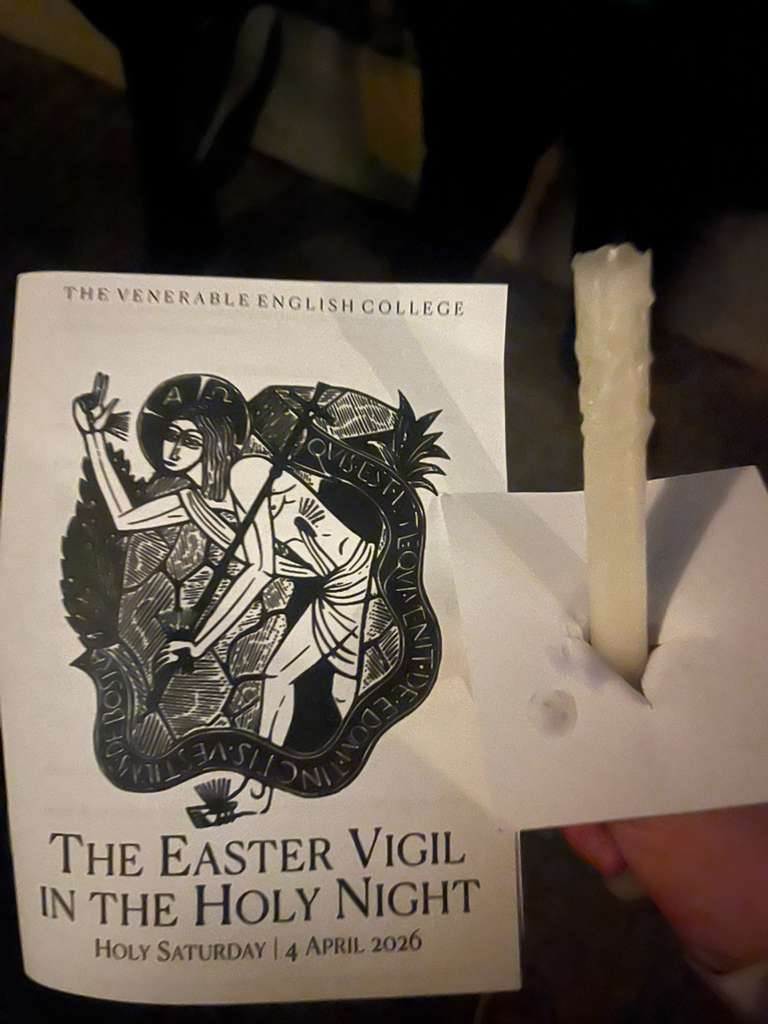
That evening we were graciously hosted to dinner by the Prudlo family at their home in Rome before heading to the Easter Vigil Mass at the Venerable English College in Rome. The Vigil liturgy was solemn, reverent, and beautiful – everything the Easter Vigil should be.
When we arrived back at our hotel around midnight, we had a little vigil party of our own, eating Italian meats and cheeses, chocolate, and cakes. A glorious day!
April 3rd: Good Friday
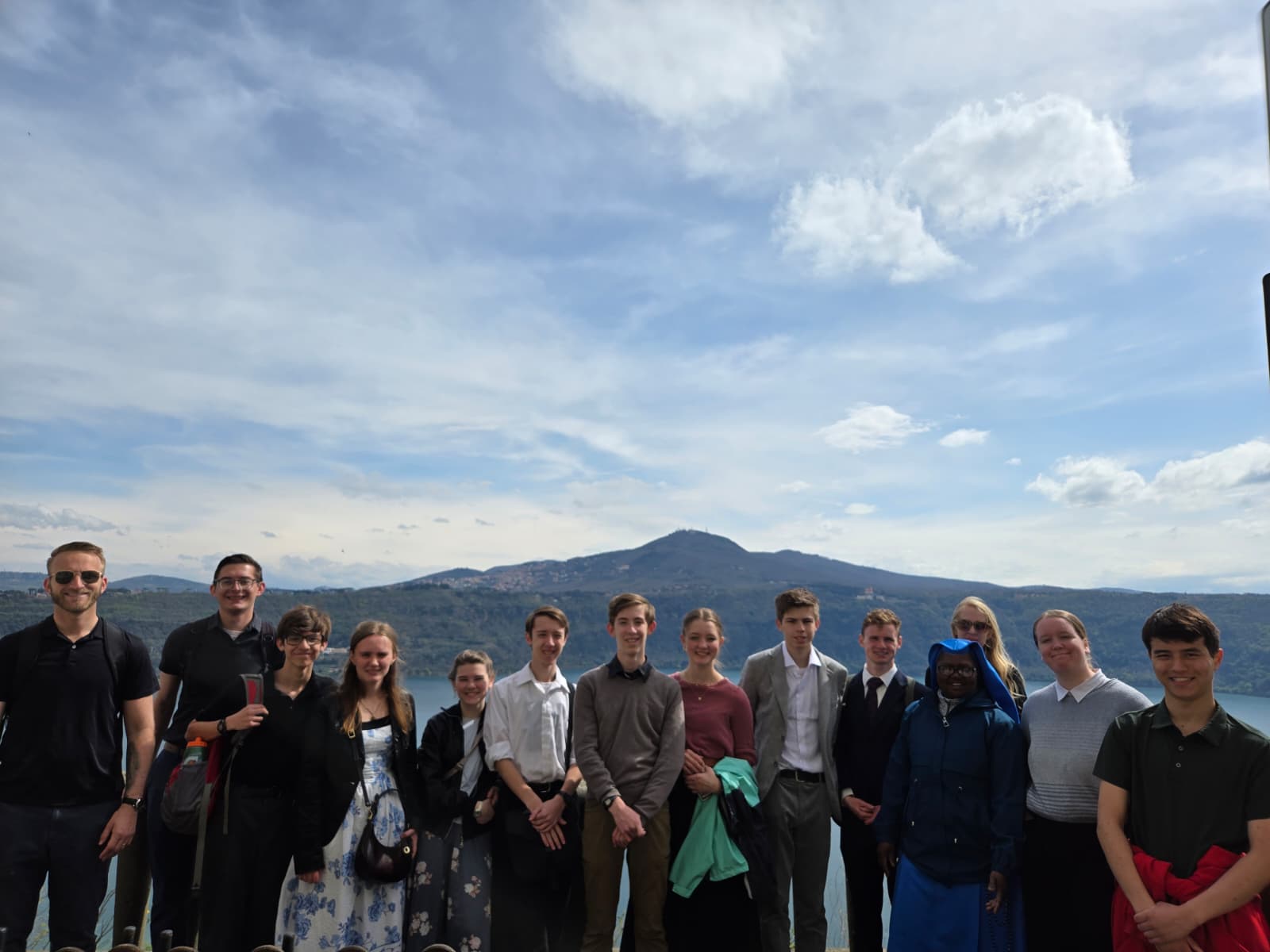
Today we began our day by traveling to Catholic Tech University near Castel Gandolfo. There the students received a brief tour of the beautiful campus. The university is a small STEM school whose mission is to bring a strong Catholic identity to the field of mathematics and engineering. The campus was formally a summer villa owned by an Italian family before being sold to the North American College, then to Opus Dei, and finally to the university. We then saw the view from Castel Gandolfo before heading back to Rome.
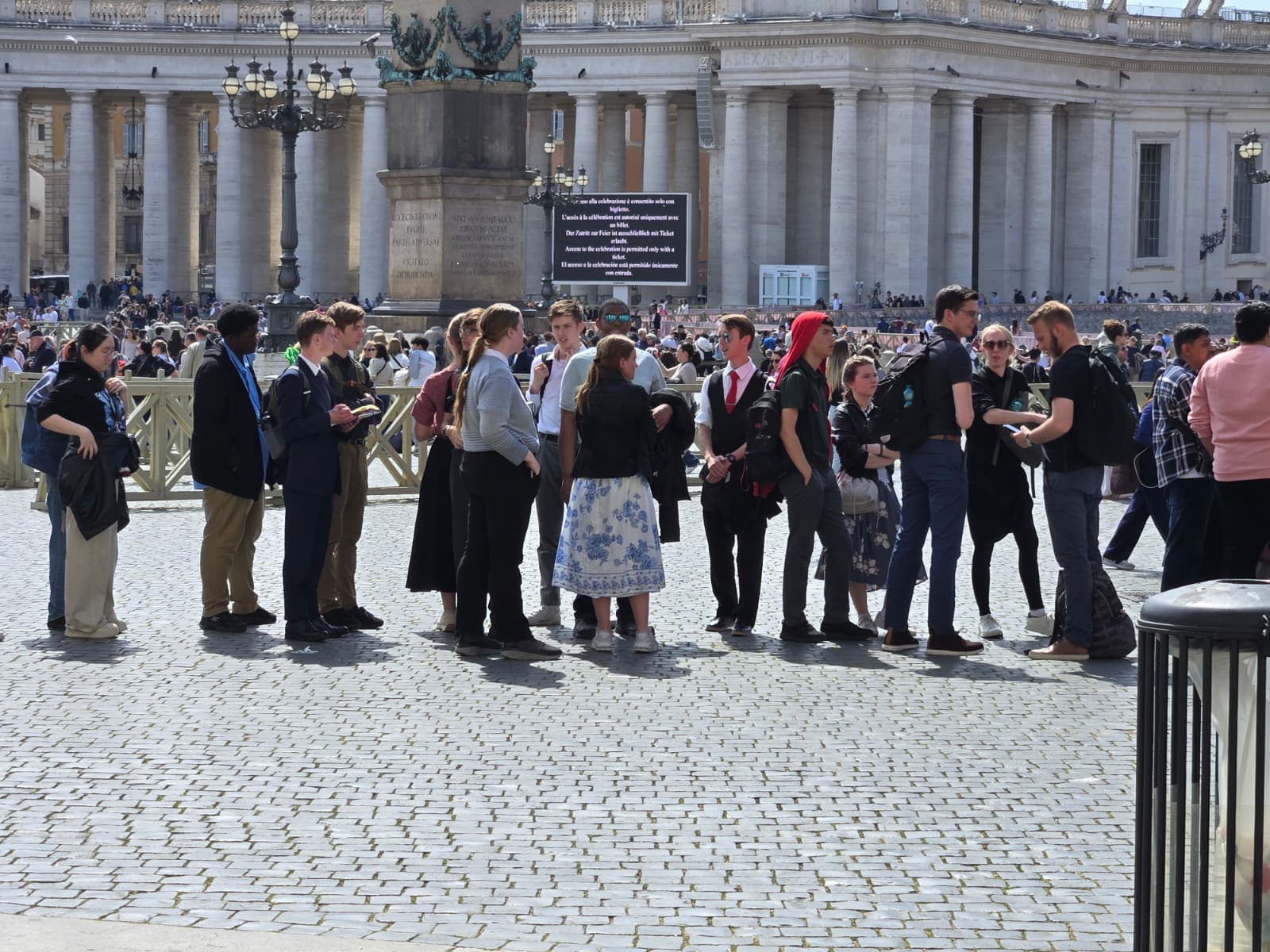
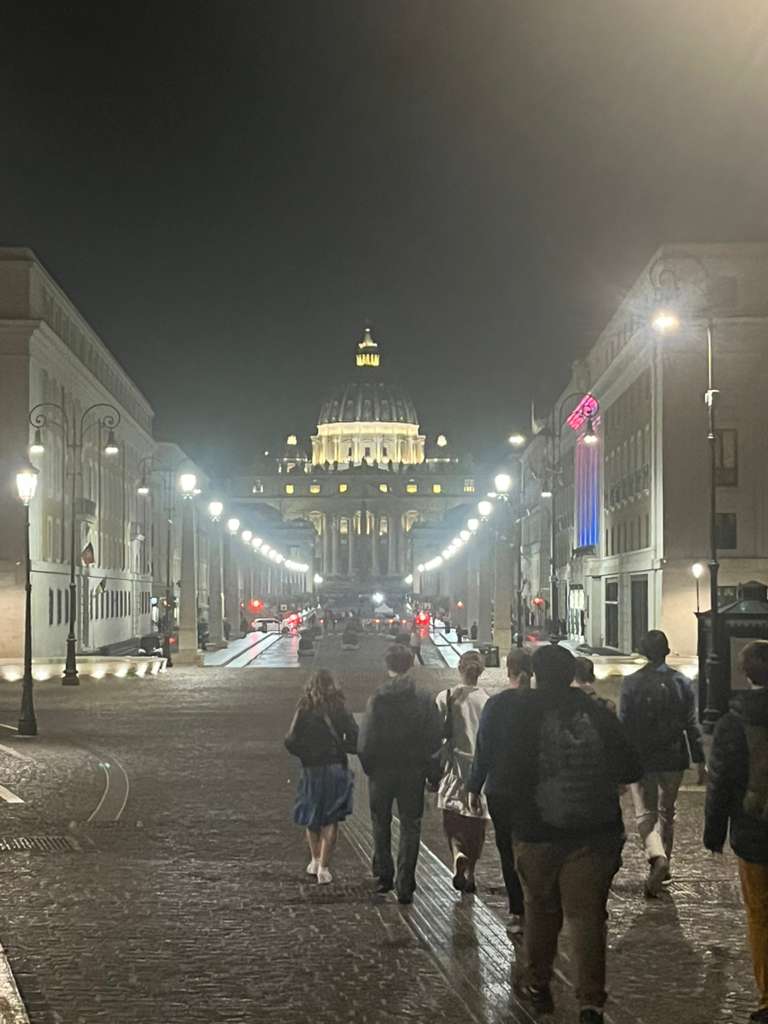
The highlight of the day was easily the Good Friday liturgy at St. Peter’s Basilica. We had a combined wait time, including the lines and inside of the basilica, of nearly three hours waiting for the liturgy to begin.
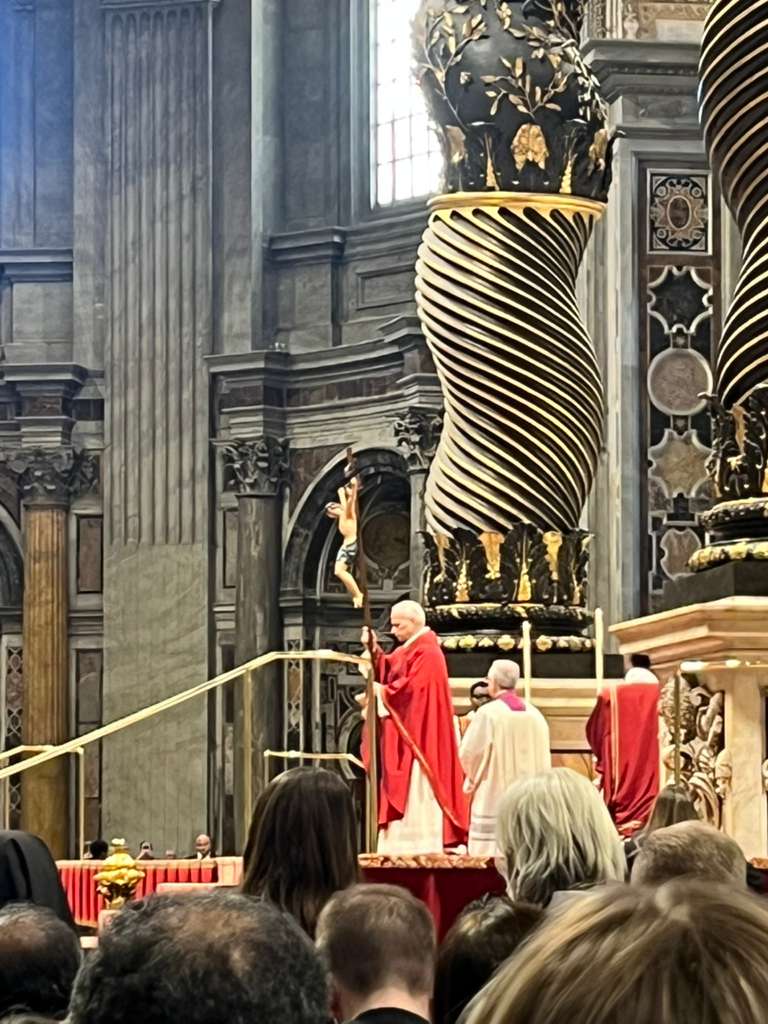
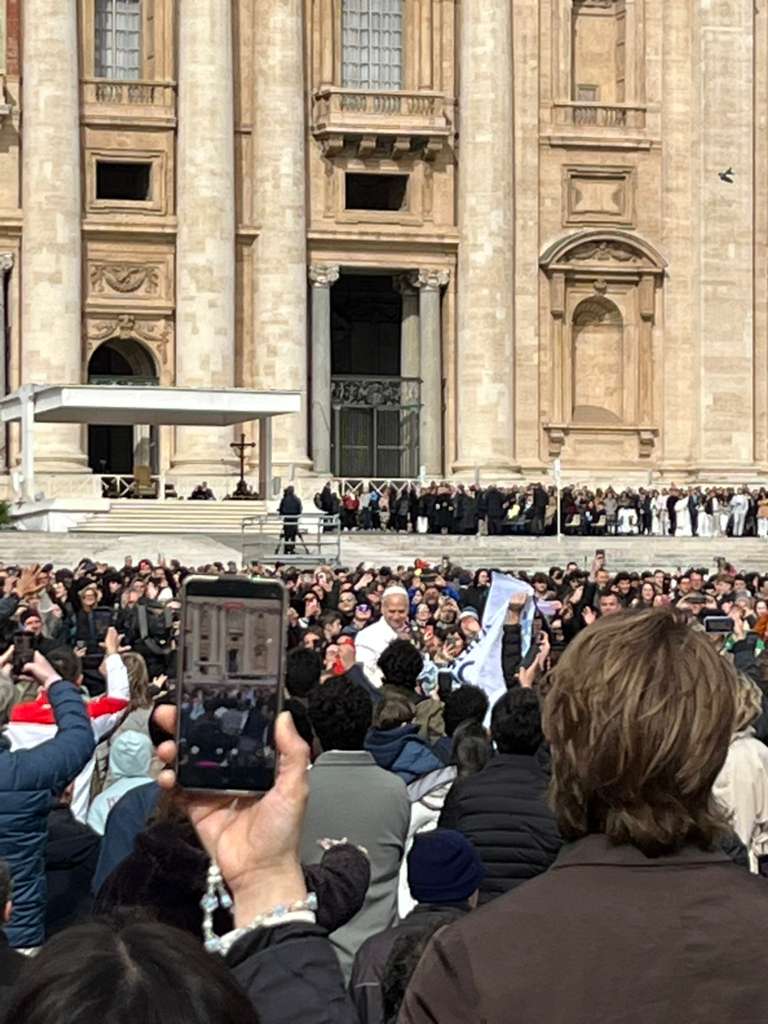
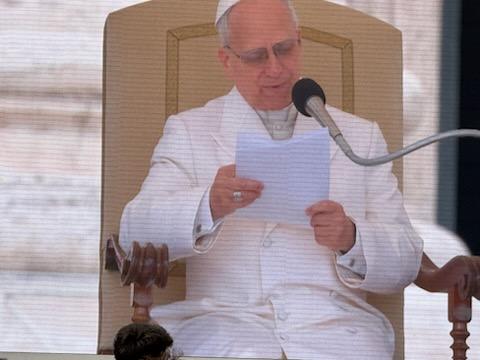
It was well worth the wait! We were very close to the front. Pope Leo XIV presided over the service filled with numerous cardinals, bishops, priests, and deacons. Not to mention all the religious in the audience. The service was largely sung in a beautiful Latin, and the choir was incredible!
Being that close to the Pope and hearing the beautiful choir is an experience I do not think the students are soon to forget.
April 2nd: Holy Thursday
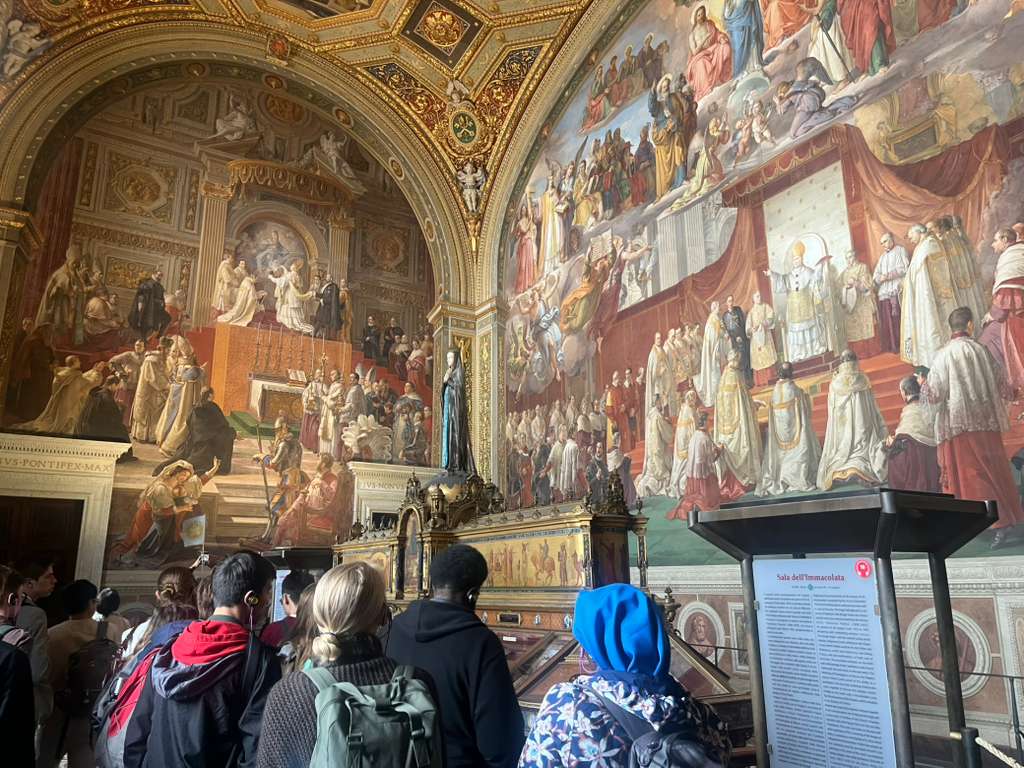
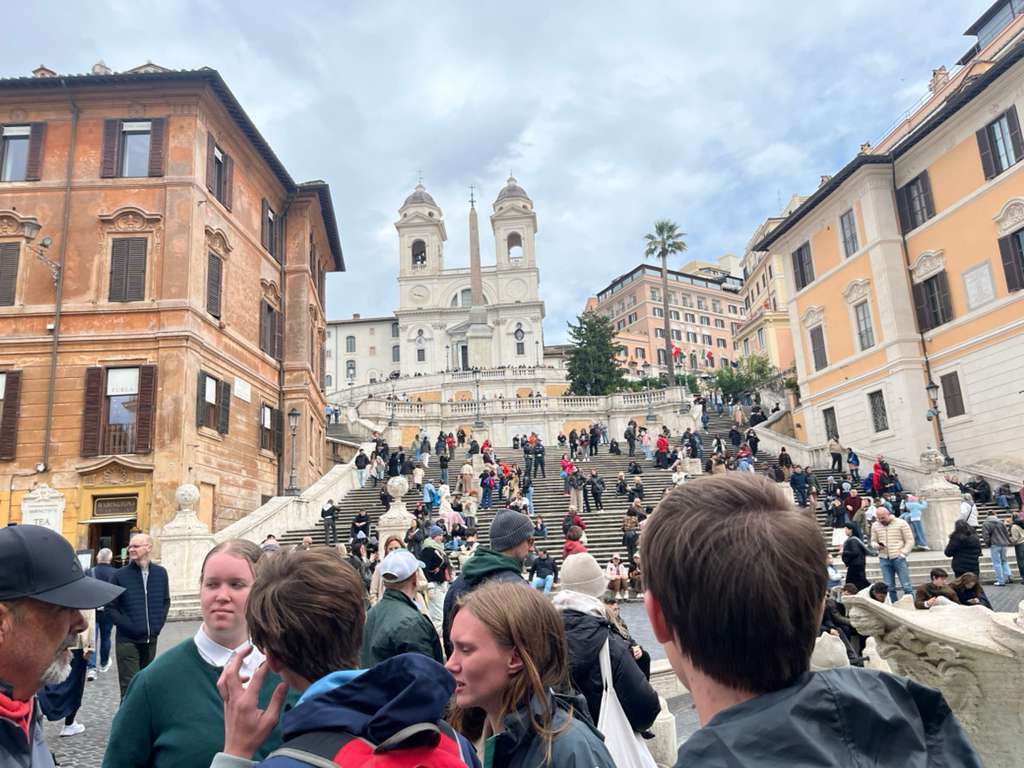
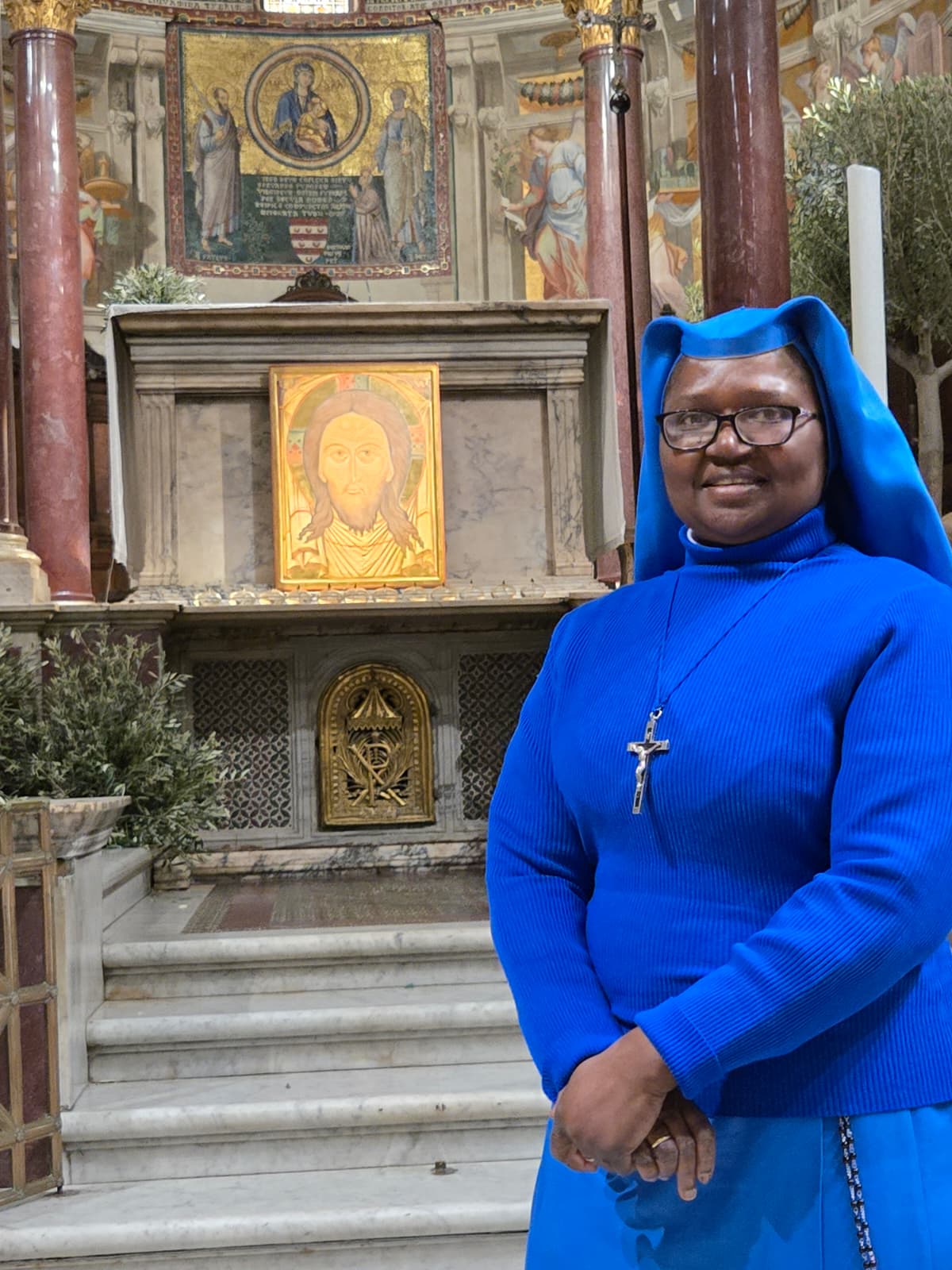
March 31st:
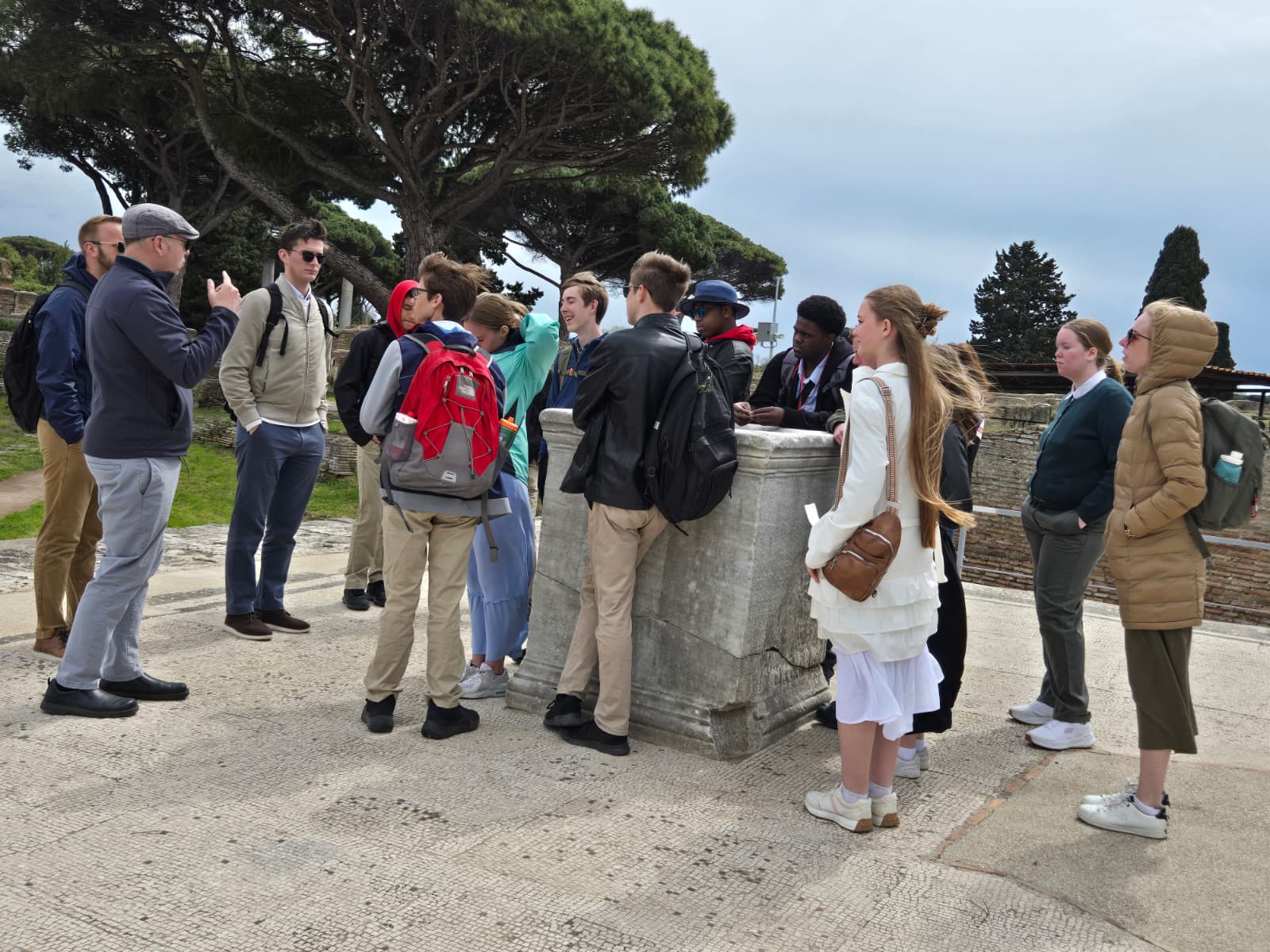
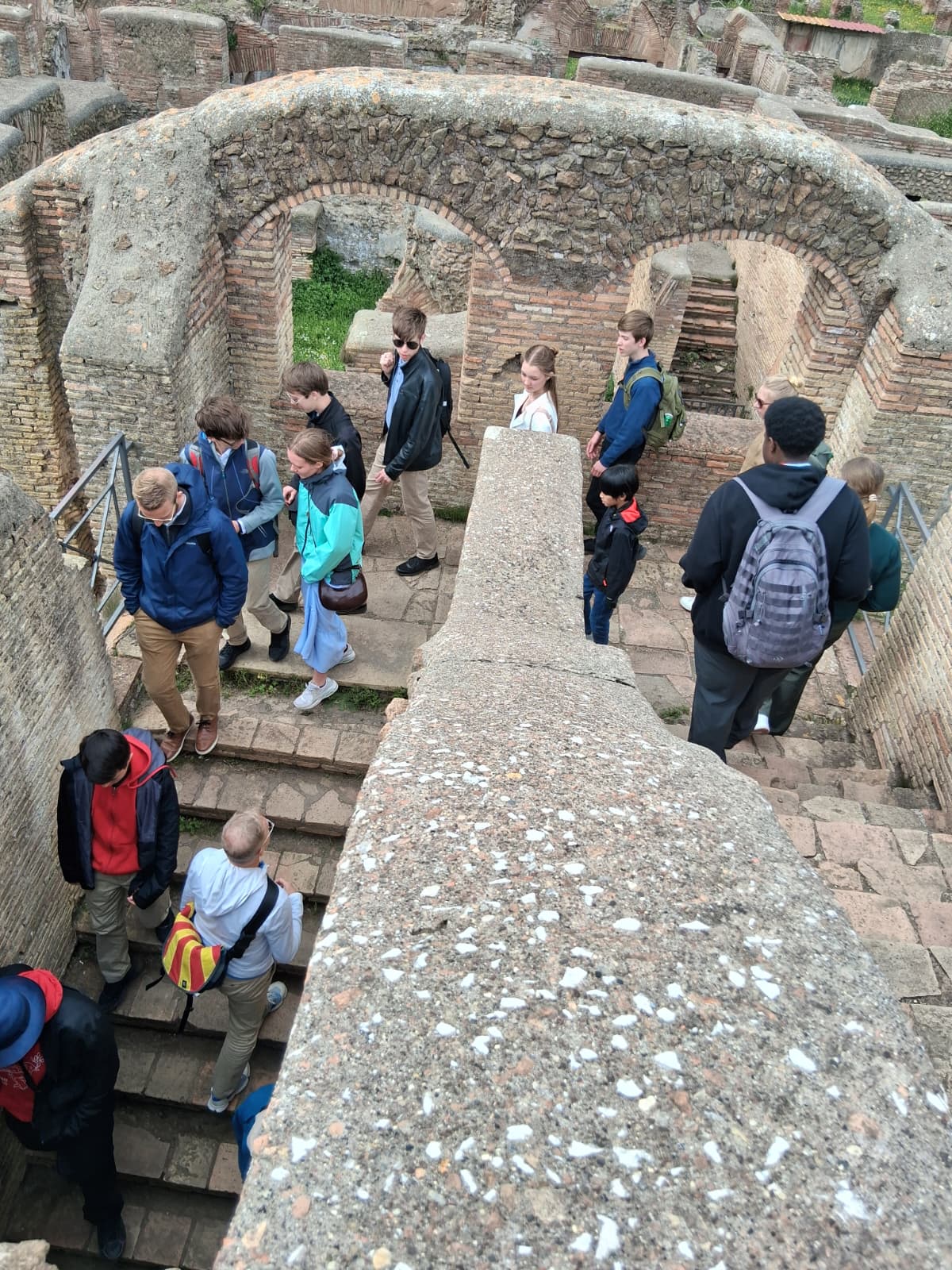
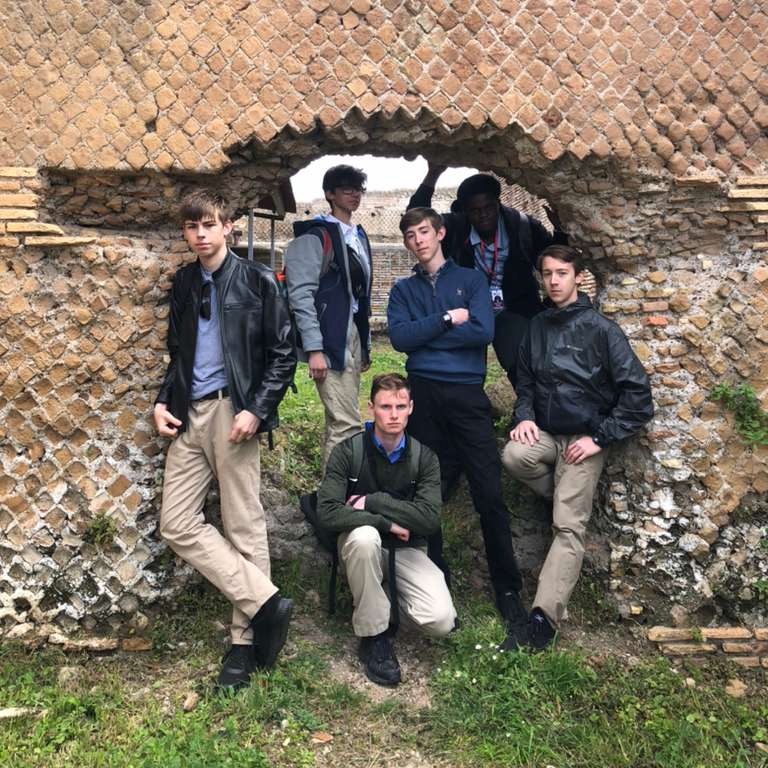
Today we spent the first half our day in Ostia Antica, the historic port city of Rome. There we walked through the very large remains of the old city. We witnessed a location that two saints were martyred at, the remains of the church that St Monnica and St Augustine likely attended, bathhouses, markets, a restaurant, and… ancient toilets. Dr. Prudlo gave an excellent lecture on the importance of Rome winning the Punic Wars and how the course of Christian history providentially benefited from that victory.
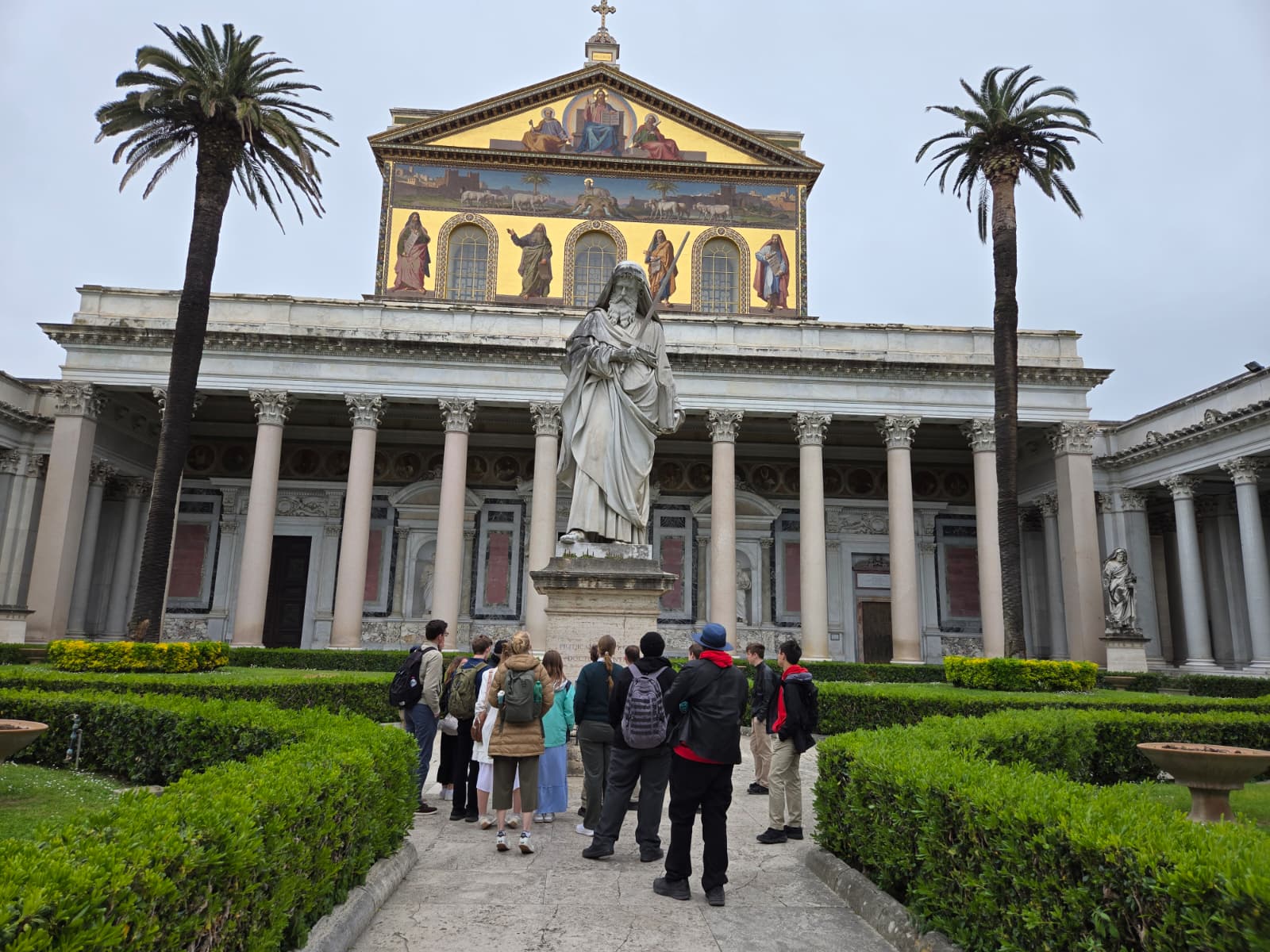
We then went to the Basilica of St Paul, one of the four major basilicas in Rome. There we sat the tomb of St Paul and the chains that bonded his handed when imprisoned. Some of the frescos in that Church date back to the 4th century. It was an incredible building and we were fortunate to have a tour from a Benedictine monk who lived at the monastery attached to the church.
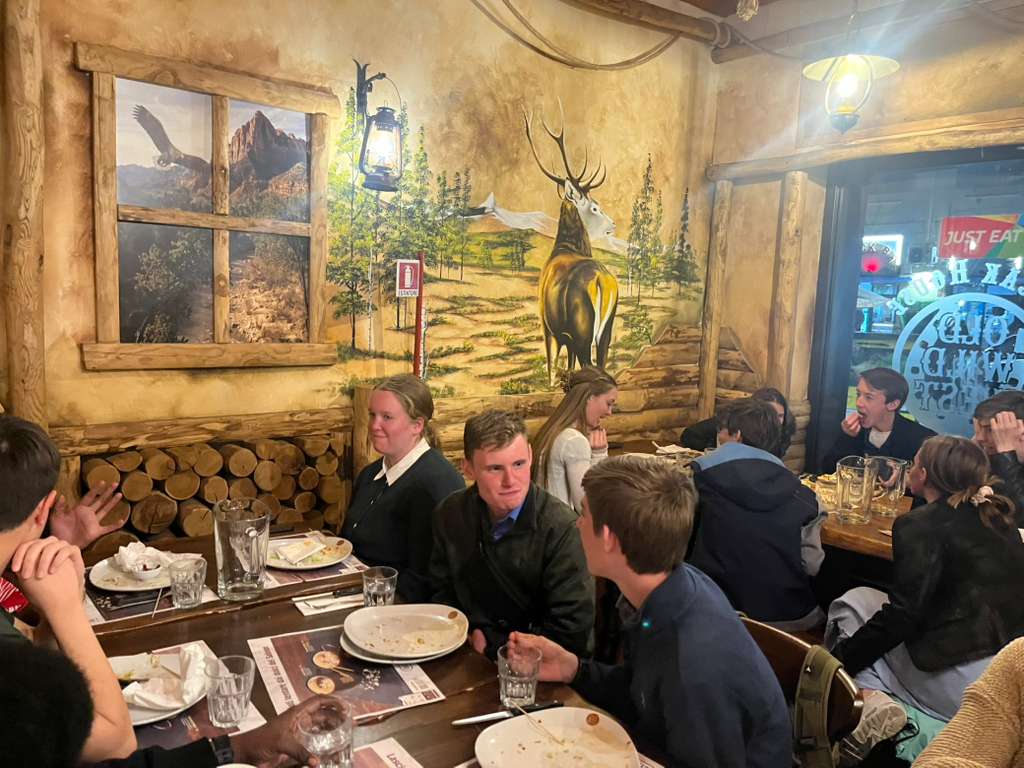
We ended our day by trying an American restaurant in Rome, western inspired. While the children were more than satisfied I think the adults were underwhelmed.
March 30th,
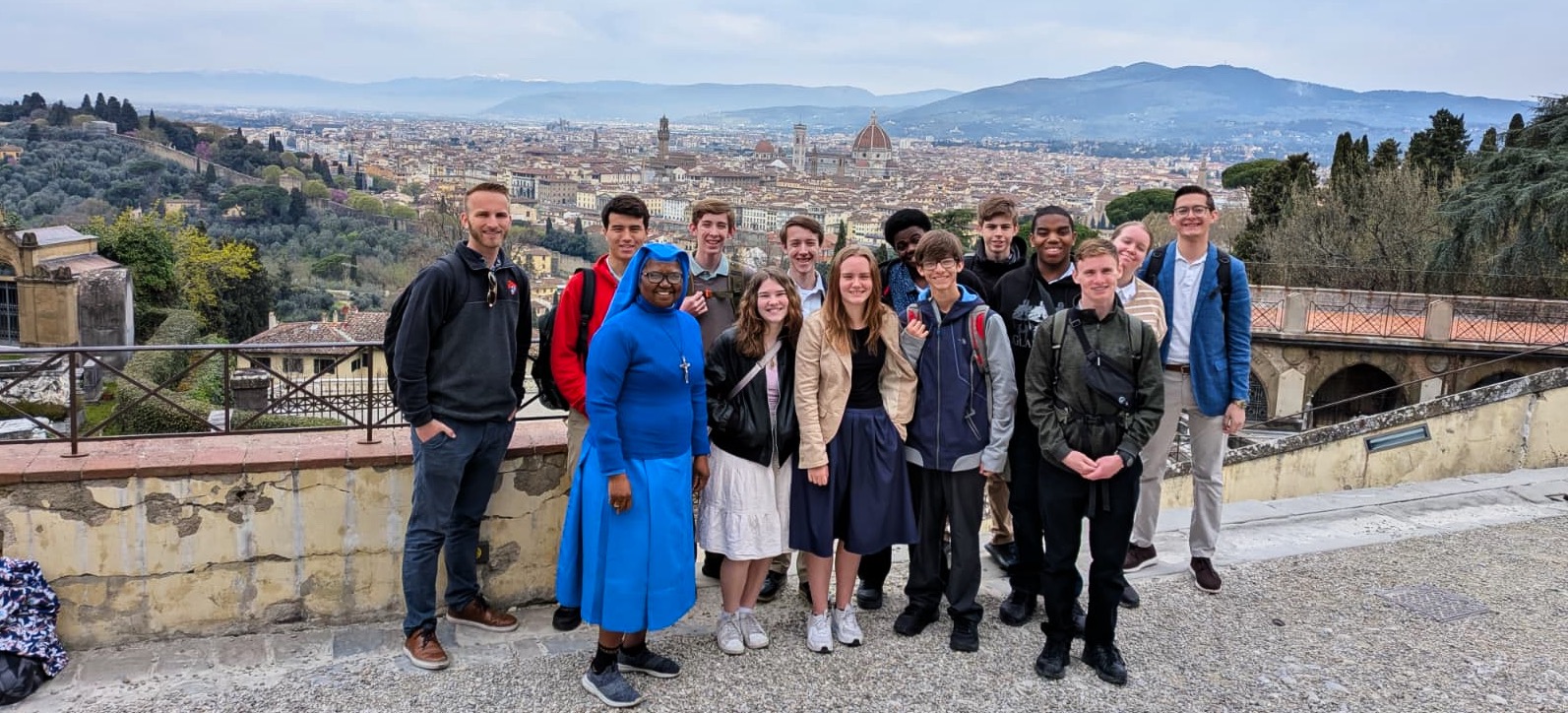
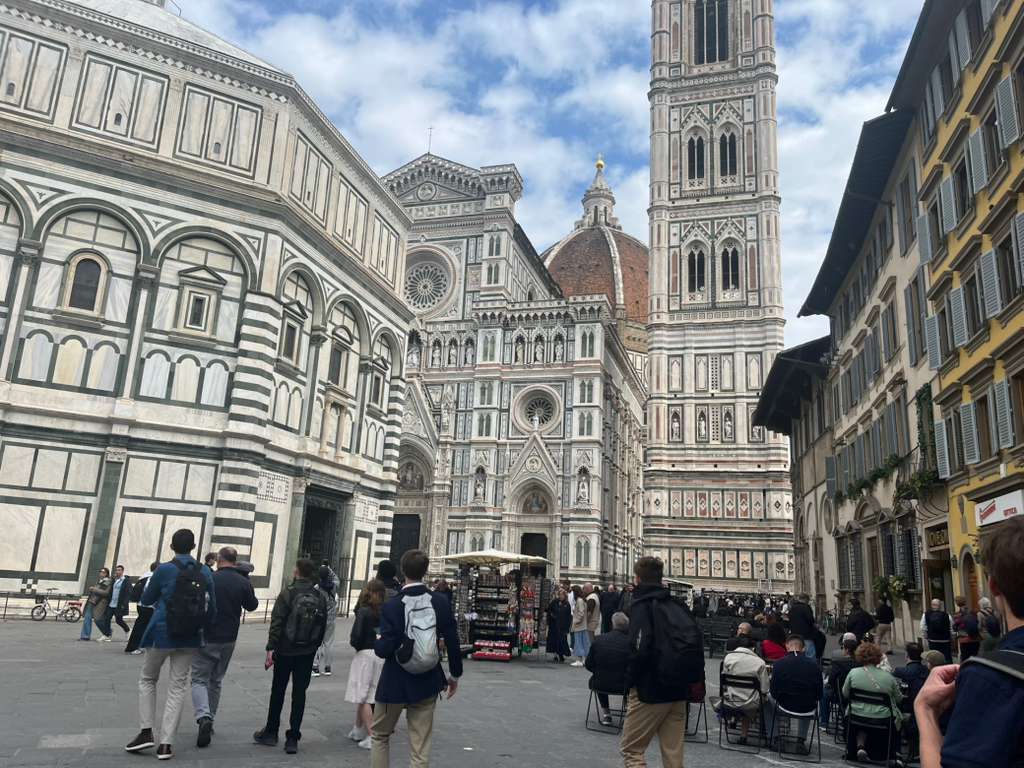
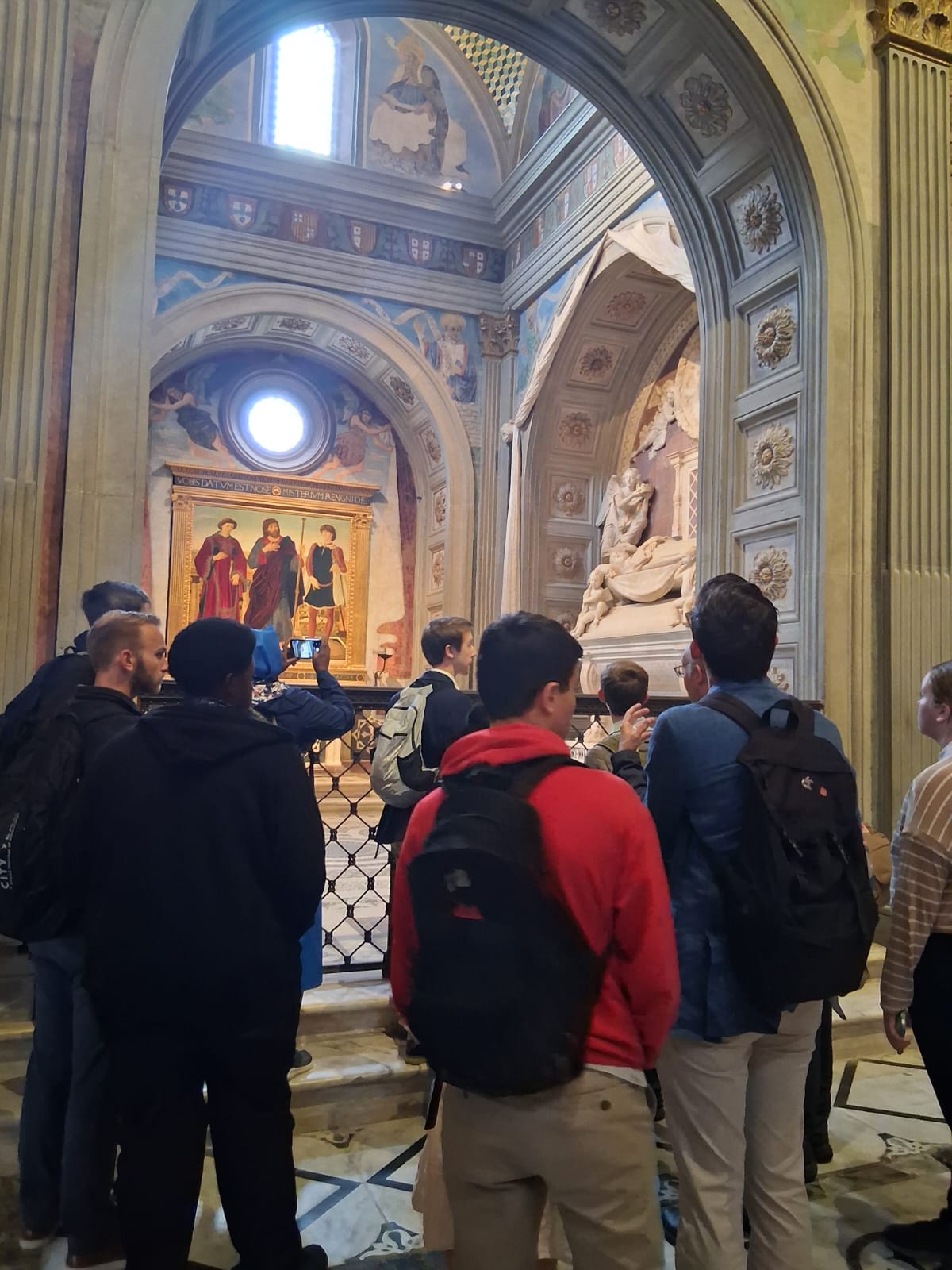
Today the students travelled to Florence Italy to be led by Dr. Prudlo as a guide. We traveled via a high speed train from Rome.
March 29th:
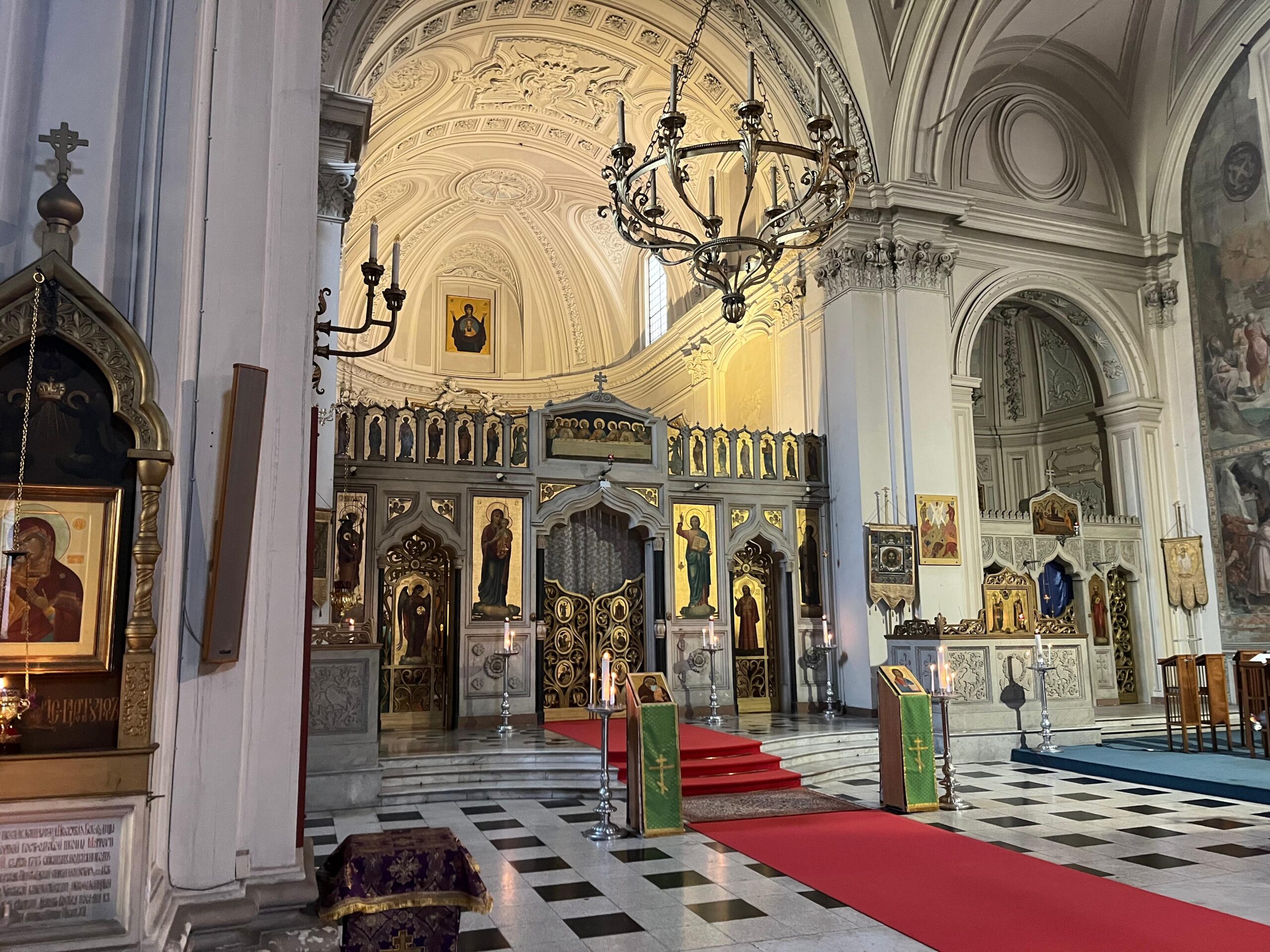
Today for Sunday Mass we split into two groups. An earlier group led by Mr. Bremer accompanied by Sister and a few students went to a Latin low Mass at Santisma Trinita. The second group led by Mr. Allee was filled with many students experiencing their first Divine Liturgy at the Russian Pontifical College. The liturgy was almost entirely in Russian with a little Italian mixed throughout.
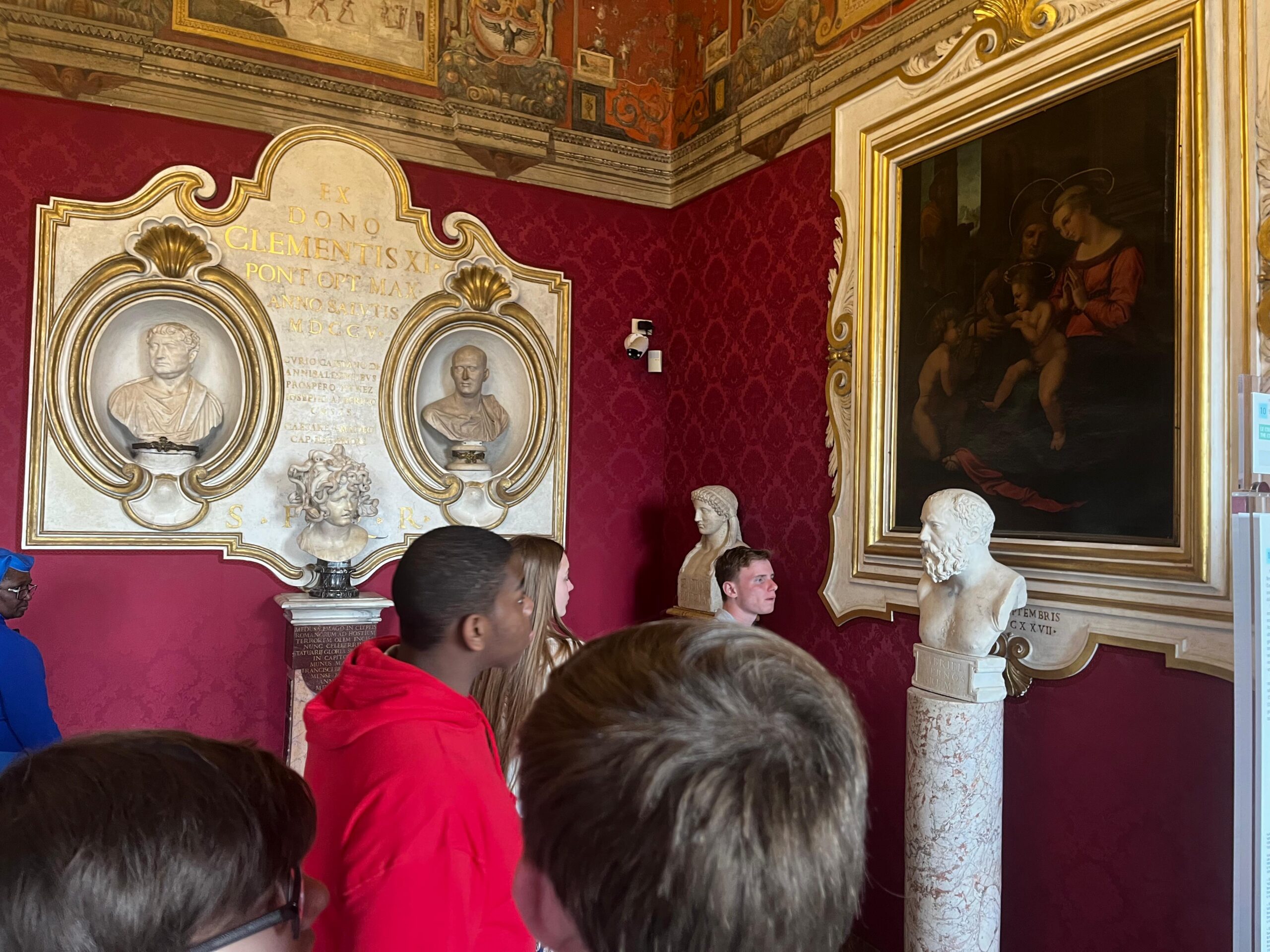
After lunch, everyone attended the Capitoline Museums and viewed countless marble statues from antiquity. It was particularly enjoyable watching the students point out figures and scenes from history that they recognized from class.
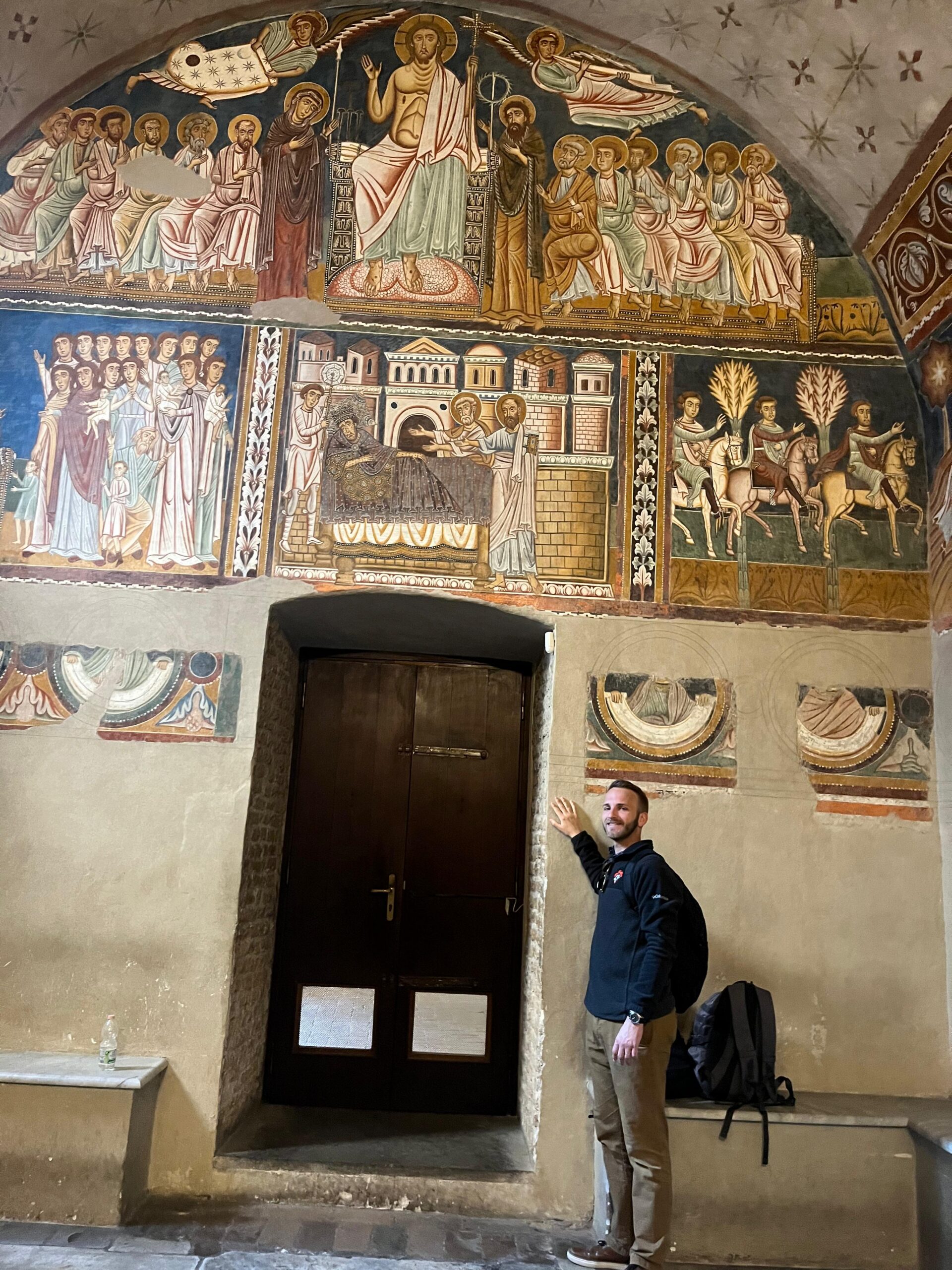
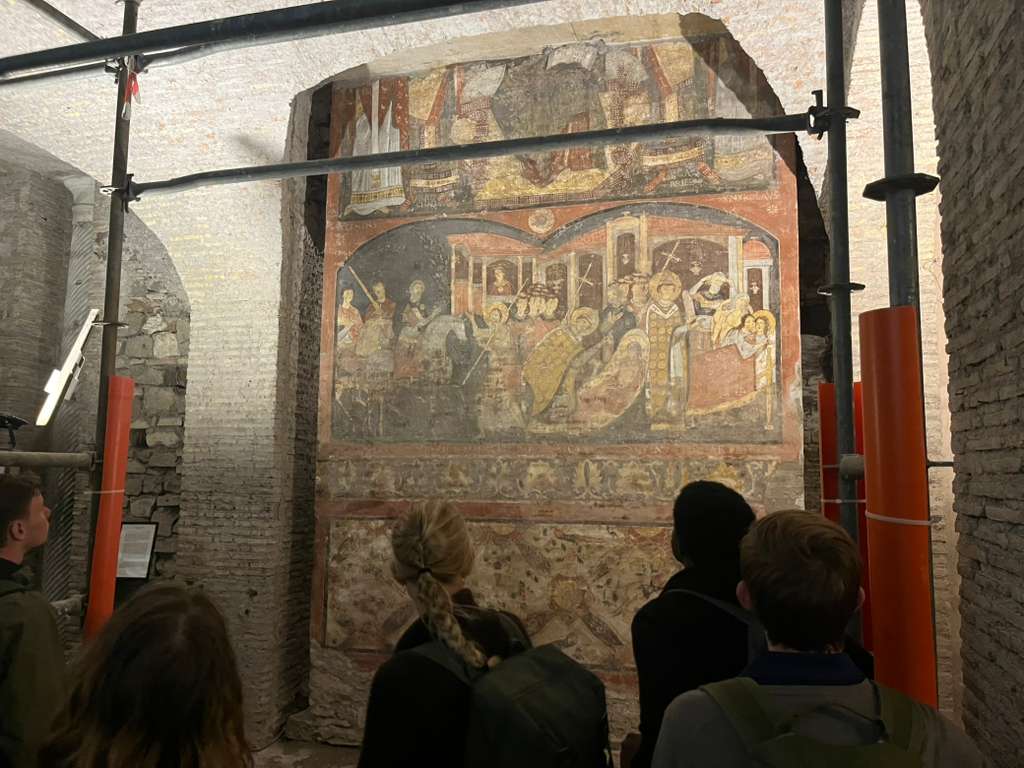
Then, a majority of the students went back to the hotel to rest until dinner. However, a small group stayed out to witness more of the museums and then went to the Basilica and Convent of Augustine Sisters, Santi Quattro Coronati. There the students witnessed frescos largely depicting the life of Sts Constantine and Helena that were around 1000 years old. The convent then had a beautifully sung Vespers service at 6pm.
At 7pm everyone gathered together again for dinner at Hostiaria Isadoro, an Italian restaurant built in the Emperor Nero’s old wine cellar. Dinner was filled with many laughs and plenty of delicious pasta.
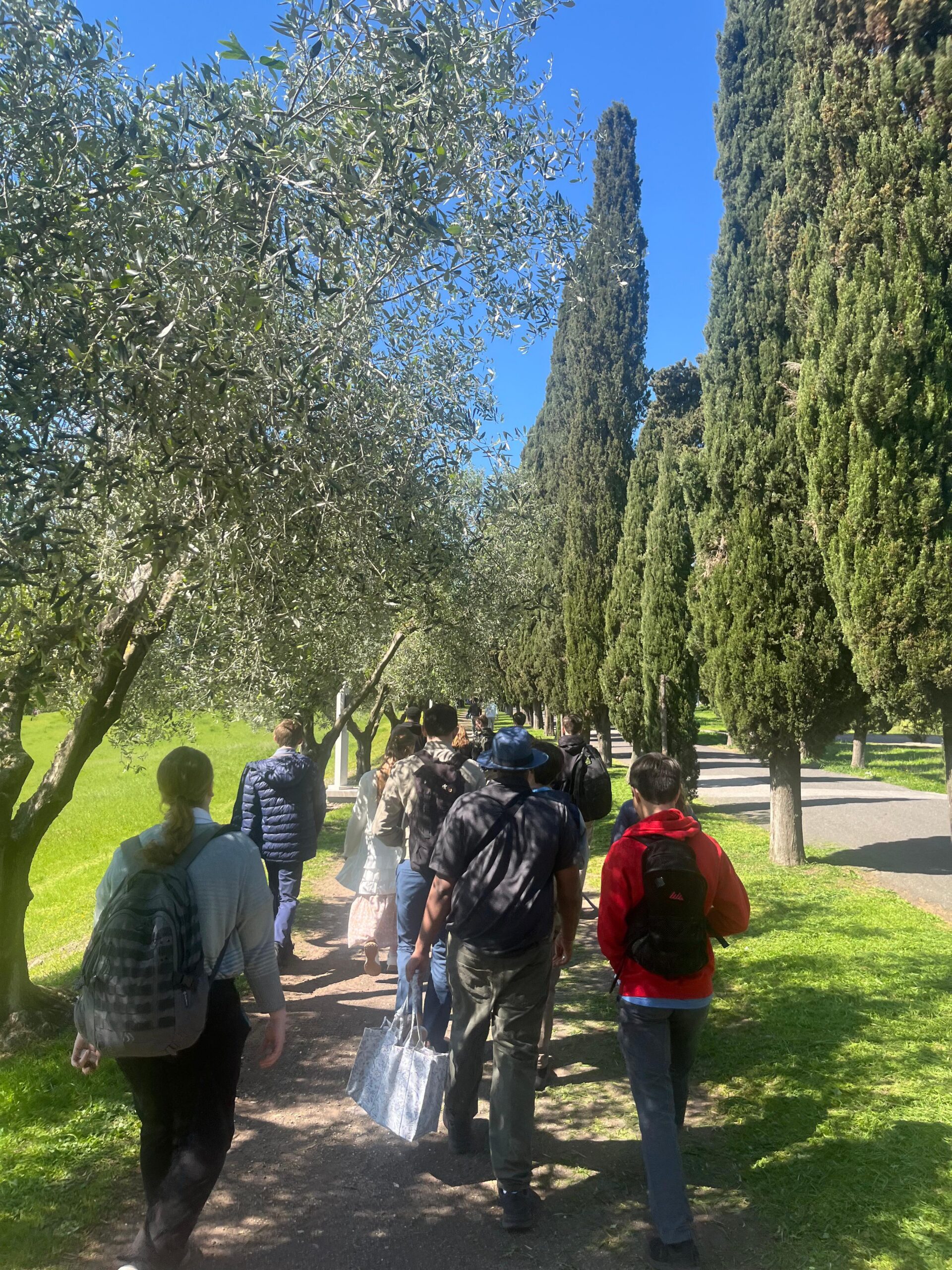 We began our day by walking along the Appia Antica, the oldest highway in the world. We saw the tomb of the Roman Senator Seneca. We then visited the famous catacombs of St Sebastian and St Callixtus. This was a very solemn and unique experience.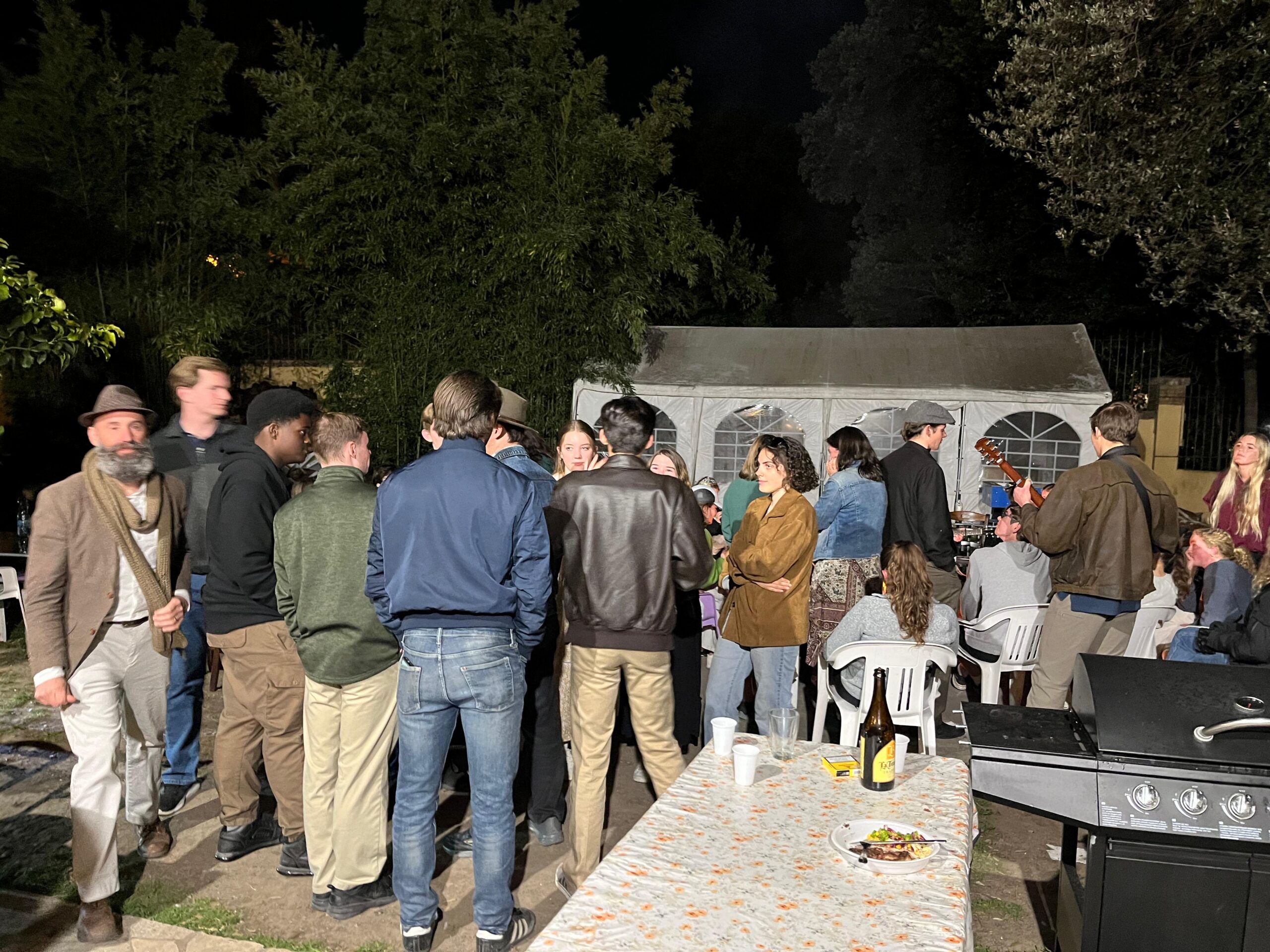
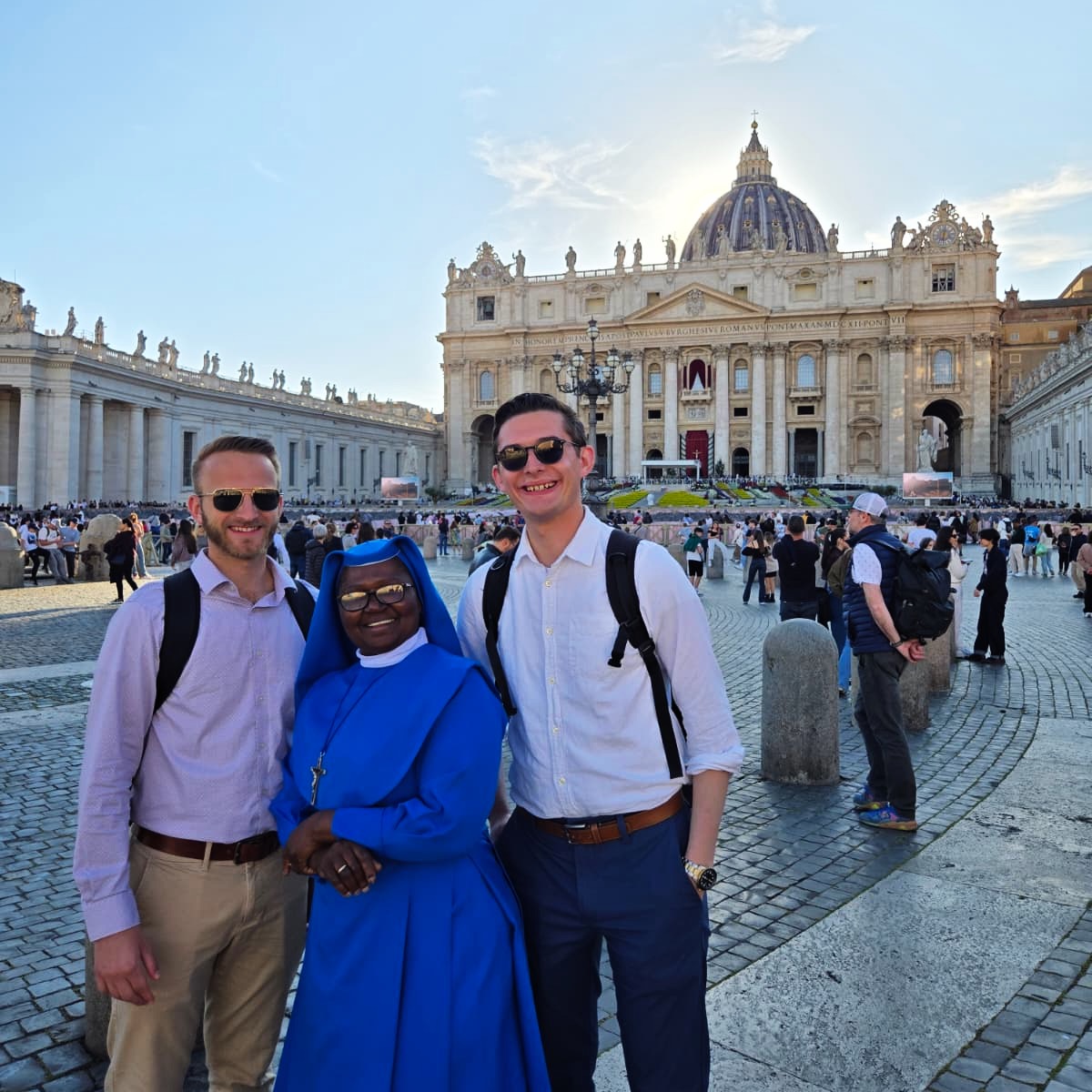
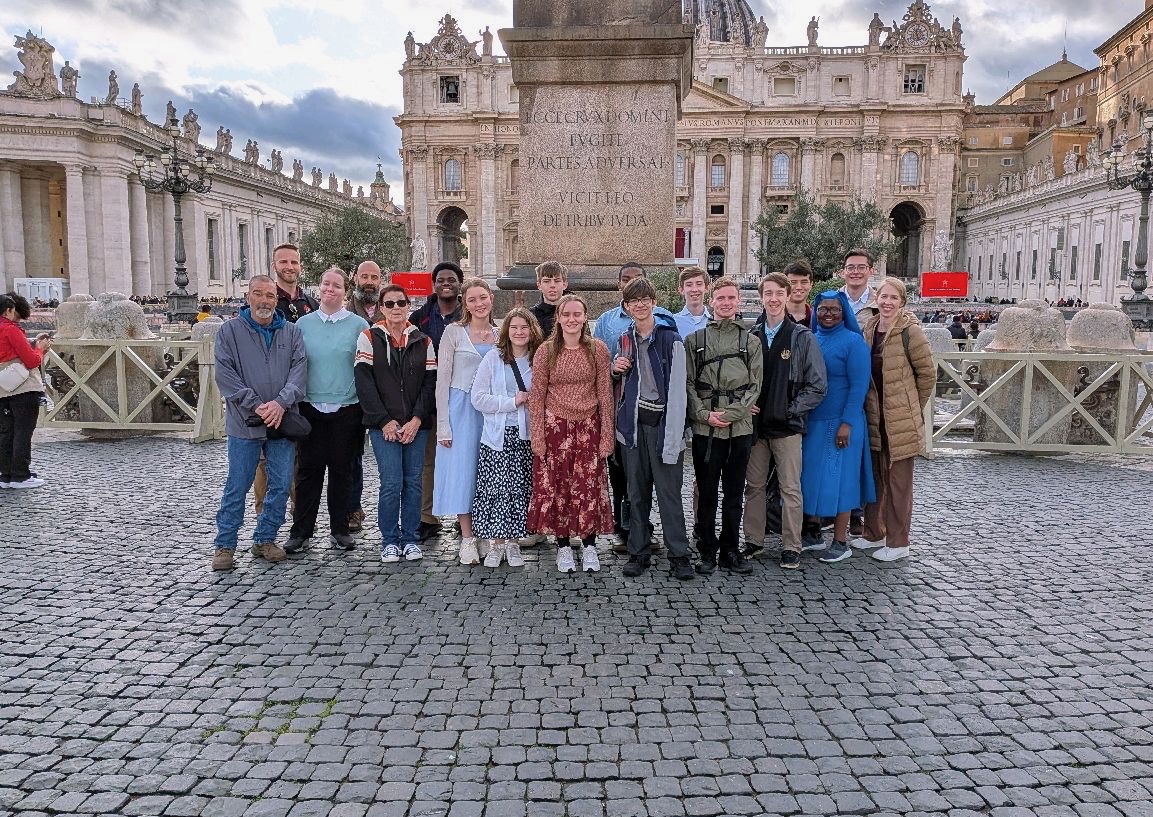
Friday, May 27: The group has arrived in Rome and posed for a photo in Saint Peter’s Square.
An Ambitious Plan for a classical curriculum
Holy Family Classical High School has twelve upperclassmen who would love to walk through the streets of the Eternal City and heart of the Catholic Church in Rome.
If this trial trip is successful, it will become a permanent part of the curriculum.
This pilgrimage to Rome is the culmination of the high school journey and curriculum It will deepen their faith by standing in the footsteps of martyrs in the Colosseum or walk with popes in Saint Peter’s Square or academics in the Vatican Museums or pilgrims on their way to dozens of holy sites.
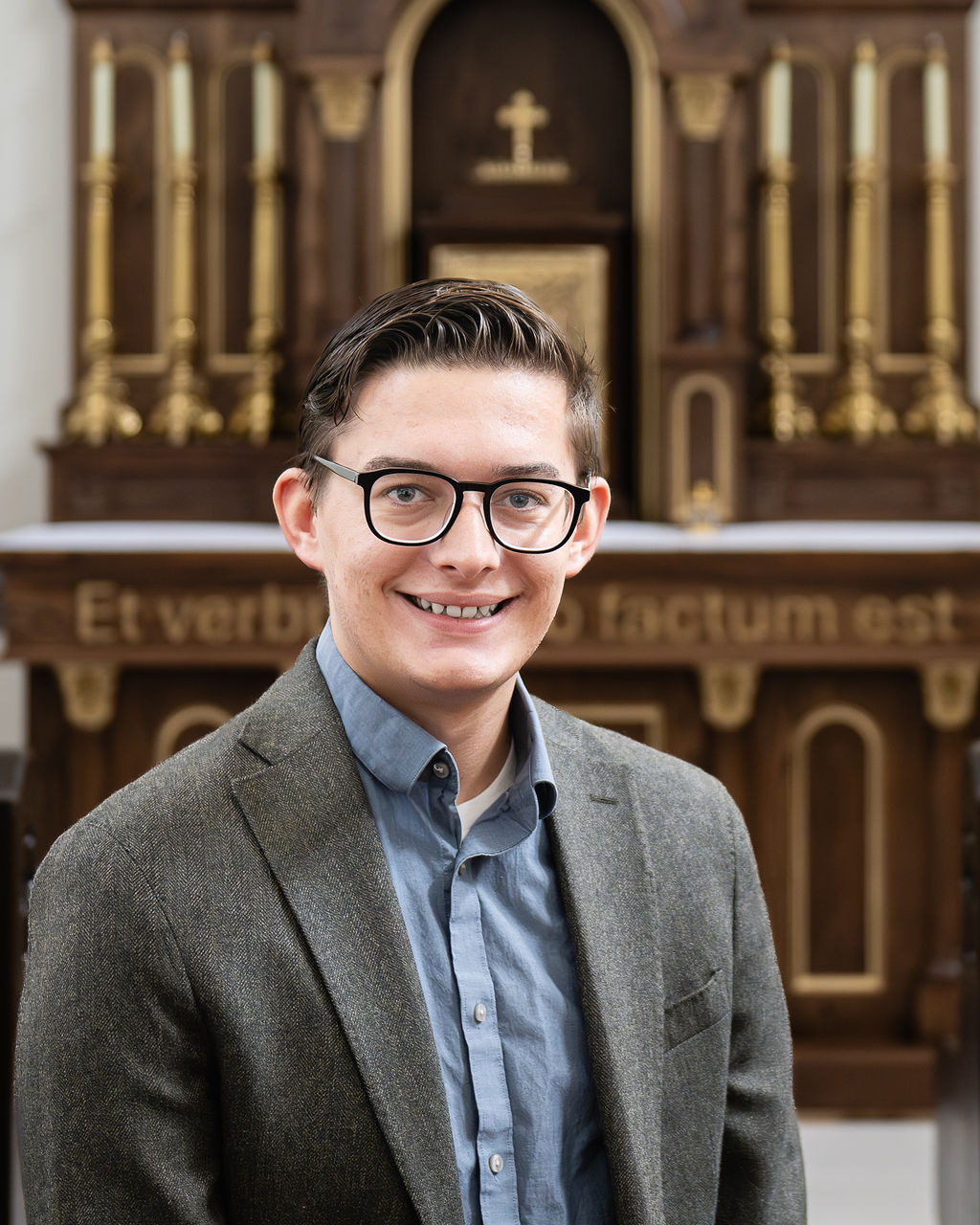
High School History and Art Teacher Mr. Joseph Bremer will lead the group. He says, “Rome is the heart of our civilization and the church. Our high school students spend years reading and learning about the beauty of the West and the Catholic Church; but reading and experiencing are two entirely different things. We want to give every high school student at Holy Family the opportunity to see the beauty of Christ and his church firsthand, for ‘Roma, non e basta una vita’ (one life is not long enough for Rome).”
Rome, Italy
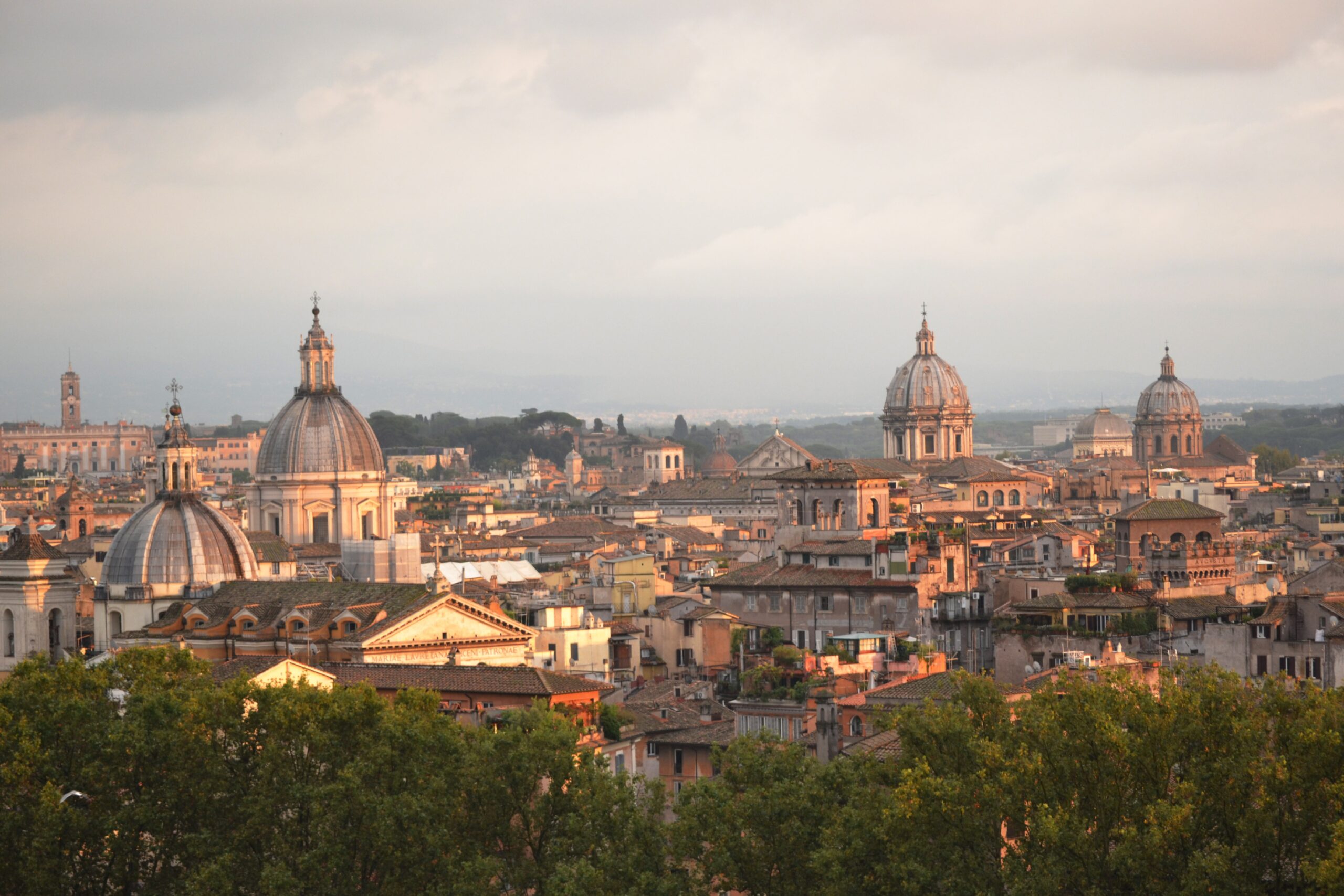
Rome is the spiritual and historical heart of the Church. As the home of the Vatican and the burial place of Saints Peter and Paul, Rome holds deep significance as the center of Catholicism. Pilgrims can attend Mass at St. Peter’s Basilica, visit the tombs of early martyrs, walk the ancient catacombs, and pray at the four major basilicas.
It’s a place where Scripture, tradition, and history come alive—where Catholics can connect more deeply with their faith, experience the universality of the Church, and be renewed in their spiritual journey.
The Pilgrimage
Led by Mr. Joseph Bremer and aided by Sister Belinda Ugoh, Trevor Allee and Katherine Fugikawa, the group will stay at the monastery on San Giovanni in Trastevere. Each day, they will depart for excursions to see ancient Rome, medieval Rome, the Renaissance and Baroque Rome with trips to Florence and Assisi.
Leave a Reply
You must be logged in to post a comment.